
Before You Open Up That Floor Plan: The Structural Risks of Removing Load-Bearing Walls

Open-concept renovations are still in — but skipping the structural engineer can cost you more than money
Open floor plans remain one of the most sought-after features in home remodeling. The appeal is obvious: clean sightlines, more natural light, and a flexible living space that fits the modern lifestyle. But as many homeowners across the Philadelphia region are learning — sometimes the hard way — removing a wall isn’t just a design decision. It’s a structural one.
For homes built between the 1950s and early 2000s, especially in areas like Yardley, King of Prussia, and the Main Line, knocking down a wall often means modifying the very system that holds the house up. And once that system is disturbed, mistakes aren’t just cosmetic — they can become catastrophic.

“We get called in all the time to fix problems that could’ve been avoided with a 30-minute consultation,” says Structure Professionals founder, Patrick Duffy “Just because a wall ‘feels’ like it’s not load-bearing doesn’t mean it isn’t doing critical work.”

The Rise — and Risk — of the Open Concept

HGTV-style home transformations have driven open-concept popularity for over a decade. But what gets glossed over in many TV renovations is the behind-the-scenes engineering required to safely create those wide, airy spaces.
In traditional framed homes, interior walls often carry the weight of the roof or upper floors, distributing loads down into the foundation. Removing one of those walls without redistributing that load can result in:
  • Sagging ceilings or cracked drywall
  • Uneven floors above the removed wall
  • Doors and windows that stop functioning properly
  • Long-term structural deflection
  • In worst-case scenarios, partial collapse
And these issues may not show up immediately. Some take months or even years to fully reveal themselves — often after a home is sold, appraised, or listed again.

How to Know if a Wall is Load-Bearing

There’s no one-size-fits-all answer. A wall that’s non-structural in one home may be absolutely critical in another. Some general rules:
  • Walls running perpendicular to floor joists are more likely to be load-bearing
  • Central walls in multi-story homes often carry load from above
  • Past renovations may have already shifted how loads are distributed
  • Basements and attics often reveal what’s really going on
But the only reliable way to know for sure is to have a licensed structural engineer evaluate the framing, load path, and support system of the home. That’s not something your contractor or architect can guess — and it’s why bringing in the right team early matters.

“If you’re planning to remove a wall — especially one near the center of the home — you need to know exactly what it’s doing structurally before you touch it,” says Duffy. “We’ve seen homes where DIY wall removal led to thousands of dollars in retroactive repairs.”
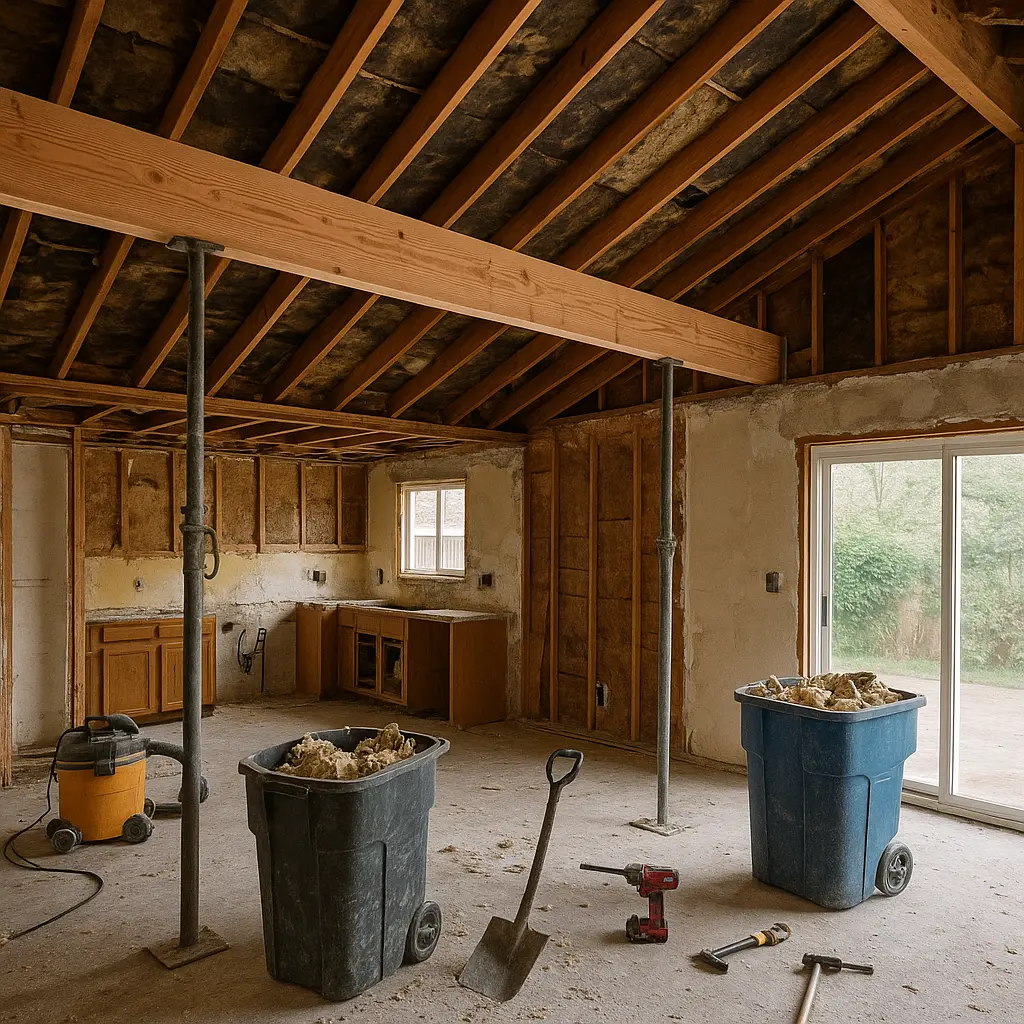

What Structural Engineers Do During an Open-Concept Renovation

When homeowners reach out to Structure Professionals before opening up a floor plan, the process is clear and proactive. It typically includes:
  • On-site evaluation of framing, joist direction, and bearing points
  • Assessment of current load paths and how they’ll be affected
  • Design of new structural supports — such as beams, columns, or footings
  • Coordination with the contractor to ensure correct installation
  • Stamped engineering drawings for permit approval
This type of planning ensures the renovation is not only beautiful — but safe, code-compliant, and structurally sound for years to come.

It’s Not Always About Removing — Sometimes It’s About Replacing

In some cases, homeowners want to open up part of a wall — not remove it entirely. That might involve widening a doorway, adding a passthrough, or shifting a staircase. Even these seemingly minor changes can disturb the balance of weight inside a structure.
Smart renovations don’t eliminate structure — they rebuild and redistribute it. A properly sized LVL (laminated veneer lumber) beam, flush-mounted header, or steel post can maintain full load capacity while giving the open look homeowners want.

“You can absolutely get the open-concept feel you want — safely,” says the Structure Professionals team. “You just need the right supports in the right places. That’s what we design every day.”

Don’t Let Design Outpace Safety

Removing a wall might seem like a small part of your remodeling plan — but it’s often the most important. Whether you’re updating a split-level in Willow Grove or renovating a rowhome in Roxborough, involving a structural engineer at the start protects your investment, your safety, and your future resale.

Pro Tip

“Cosmetic patching without understanding the cause is like painting over rust — it doesn’t solve the problem. Always start with structure first.”

Thinking about opening up your floor plan?

Call Structure Professionals before the first hammer swing. We’ll help you open your space — without opening a structural can of worms.

Frequently Asked Questions

Q: How do I know if a wall is load-bearing?
A: While some general indicators exist — such as walls running perpendicular to joists or located near the center of the home — the only way to be certain is to have a licensed structural engineer evaluate your home’s framing. Guessing based on appearance can lead to serious structural damage.
Q: Can I remove a load-bearing wall without an engineer?
A: Technically, yes — but it’s extremely risky. Removing a structural wall without properly redistributing the load can result in sagging ceilings, cracked walls, uneven floors, and long-term structural damage. An engineer ensures the home remains safe and code-compliant.
Q: Do I need a permit to remove a wall in Philadelphia or its suburbs?
A: Yes, most municipalities in the Philadelphia area — including the city itself — require a building permit when removing or modifying a load-bearing wall. Permits often require stamped structural drawings, which a licensed engineer can provide.
Q: What does a structural engineer do during a wall removal project?
A: The engineer will assess your home’s structural system, determine which walls carry load, and design a replacement support system using beams, posts, or footings. They can also provide stamped drawings for your contractor and help navigate local permit requirements.
Q: Can I tell if a wall is load-bearing by checking the attic or basement?
A: Sometimes — unfinished basements and attics can expose joist direction and bearing points. But not all homes follow predictable framing rules, especially if they’ve had previous renovations. A visual inspection helps, but only a licensed structural engineer can confirm load paths with certainty.

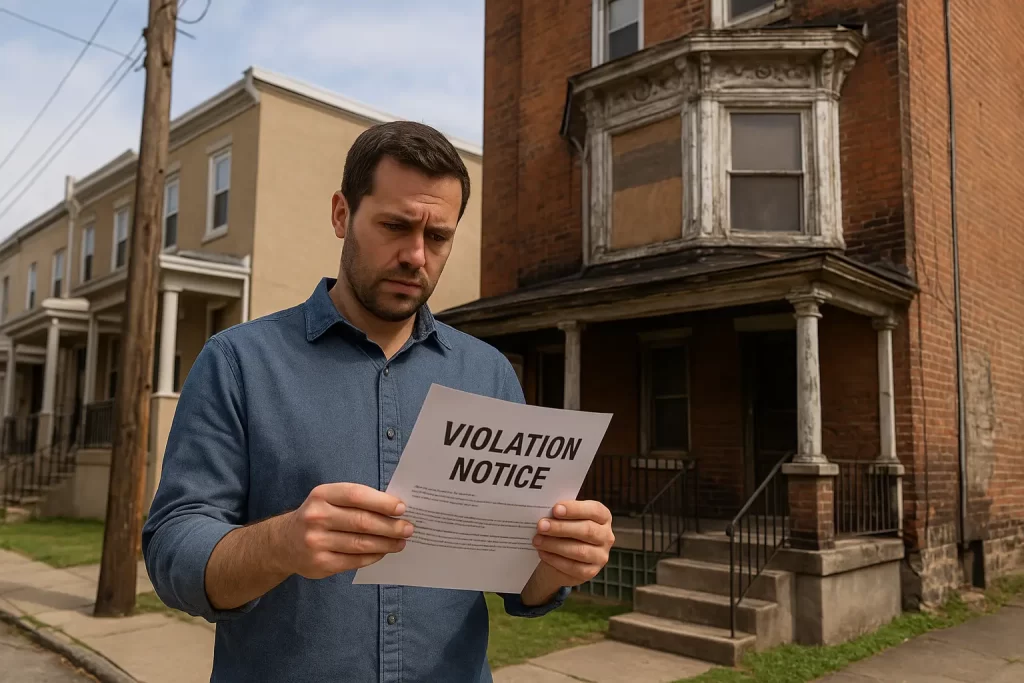
What to Do If You Receive a Violation Notice from Philadelphia L&I

Structure Professionals offers expert help when you’re facing an Order to Correct
Receiving a Violation Notice and Order to Correct from the City of Philadelphia’s Department of Licenses & Inspections (L&I) can feel overwhelming — especially if you’re unfamiliar with the process or unsure of how serious the issue is. The good news: you’re not alone, and you have options.
At Structure Professionals, we specialize in helping property owners respond to these notices quickly and correctly — saving you the stress, fines, and confusion that often follow.

Don’t Panic — But Don’t Ignore It

A Violation Notice means that L&I found something at your property that does not meet current code or was done without proper permits. This can include things like unapproved renovations, unsafe structural conditions, deteriorating facades, or even missing paperwork.
While the notice may sound intimidating, it’s important to know that not every violation is dangerous or complicated — but all of them require a response. Ignoring it won’t make it go away. In fact, it could lead to mounting fines, city intervention, or even legal action.

“We understand how to work with L&I — and more importantly, how to take the pressure off of you,” says the Structure Professionals team. “Getting a notice isn’t the end of the world. It’s just a signal that something needs to be addressed — and we know exactly how to get it done.”

“Many of the structural problems we find could’ve been addressed years earlier for a fraction of the cost — if someone had just looked into that little crack in the ceiling.”
— Structure Professionals, Philadelphia

What’s in a Violation Notice?

Most notices contain the following:
  • A clear description of the violation(s)
  • A deadline to correct the issue or file an appeal (usually 30 days)
  • Instructions for how to comply or contest the findings
  • Information about potential penalties if no action is taken
In more urgent cases, such as when a building is deemed “imminently dangerous,” that response window can be reduced to just a few days.

How Structure Professionals Can Help

This is exactly the kind of situation we handle for our clients — and we’ve done it many times before. Here’s what we do:
  • Review and interpret the violation so you fully understand what’s required
  • Conduct a structural assessment if the issue involves framing, foundation, or unsafe conditions
  • Design a compliant fix that meets L&I requirements
  • Coordinate and oversee the repairs, or work directly with your contractor
  • Manage communication with L&I, including submitting plans or reports as needed
  • Schedule and prepare for reinspection to help close out the violation quickly

Fun Fact

Homes built between 1950–1980 in the Philly suburbs often used undersized joists and beams, especially in finished basements or over large spans without sufficient mid-span support.

Why Time Matters

Most notices give property owners 30 days to either fix the issue or file an appeal. That’s a firm deadline — not a suggestion. After that window closes, the city may impose daily fines or additional reinspection fees. In extreme cases, the city may even take corrective action themselves — then bill you for it.
Responding promptly not only keeps you in compliance — it helps you stay in control of who does the work, how it’s done, and what it costs.

When to Call a Structural Engineer

You should involve a structural engineering firm if your violation includes:
  • Load-bearing walls removed without a permit
  • Foundation cracking or visible structural damage
  • Improper framing, sagging floors, or unsafe decks
  • Anything labeled “Unsafe” or “Imminently Dangerous”
We can inspect the issue, provide stamped drawings or reports, and work with your contractor to bring everything up to code — quickly and professionally.

Pro Tip

“Cosmetic patching without understanding the cause is like painting over rust — it doesn’t solve the problem. Always start with structure first.”

Protect Your Property — and Your Peace of Mind

Getting a violation notice can be unsettling, but it’s also an opportunity to correct a problem before it gets worse. With Structure Professionals on your side, you don’t have to navigate city codes or construction requirements alone.
We’ll handle the process, communicate with L&I on your behalf, and make sure everything gets resolved the right way — so you can move forward with confidence.

Helpful Resources for Property Owners

  • The Philadelphia Code is available online at www.phila.gov under the “Open Government” section.
  • Department of Licenses & Inspections (L&I): How violations and inspections work
  • L&I Review Board: How to file an appeal
  • Public Interest Law Center: Resources for tenants and property owners