Large Home Renovations in Bucks County: Why Structural Planning Matters Early

Quick Answer

Many large homes in Bucks County undergo major renovations that alter structural layouts, including open floor plans and large additions. Involving a structural engineer early in the design process helps ensure the home’s structural system safely supports these changes before construction begins.

Renovations Are Transforming Many Bucks County Homes

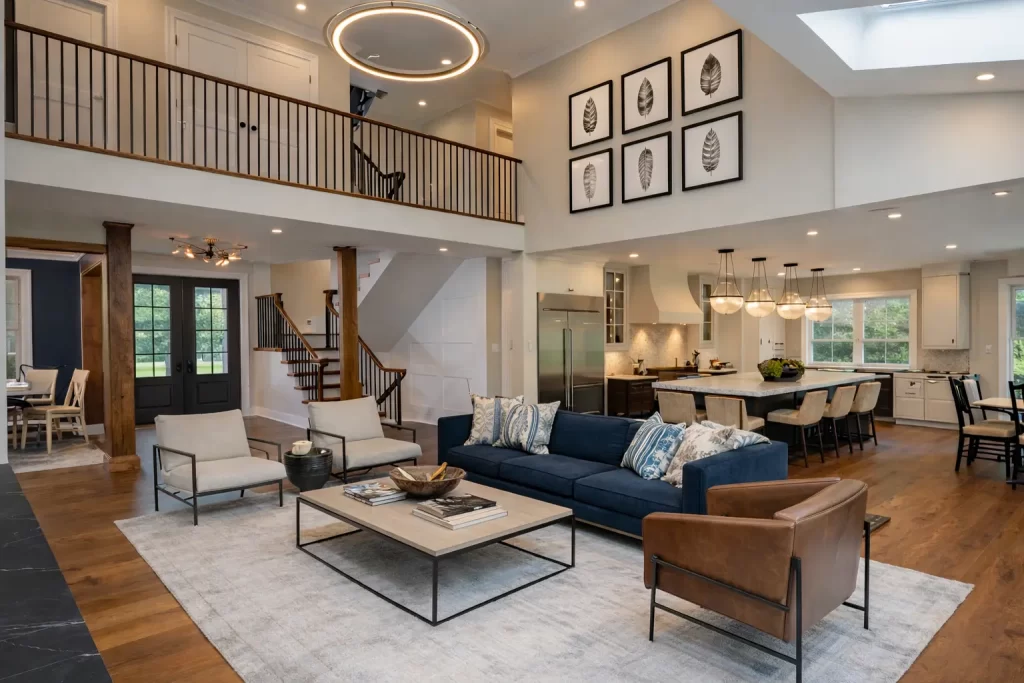
Over the past two decades, many homeowners in Bucks County have invested heavily in updating and expanding their homes. Large kitchens, open living spaces, and modern additions are common features in renovations throughout the region.
While these improvements can dramatically enhance a property, they often require significant structural changes.
Walls may be removed, ceilings may be raised, and new openings may be added to connect interior spaces with outdoor living areas.
These changes can alter how the structure carries weight throughout the home.

“Every renovation changes the structural story of the building.”

Understanding that structural story early in the design process helps ensure that renovations proceed safely and efficiently.

“Many of the structural problems we find could’ve been addressed years earlier for a fraction of the cost — if someone had just looked into that little crack in the ceiling.”
— Structure Professionals, Philadelphia

“Many of the structural problems we find could’ve been addressed years earlier for a fraction of the cost — if someone had just looked into that little crack in the ceiling.”
— Structure Professionals, Philadelphia

Larger Homes Often Mean Larger Structural Spans

Many homes in Bucks County were built with spacious layouts and large rooms. While these features create beautiful living environments, they also mean that structural elements may span longer distances than in smaller homes.
When walls are removed or openings expanded, the loads previously carried by those walls must be transferred to beams or other structural supports.
Depending on the size of the opening, these beams may be made from:
  • engineered LVL lumber
  • steel structural beams
  • built-up wood framing systems
The correct structural solution depends on the loads involved and how they travel through the building.

Structural Surprises Often Appear During Renovation

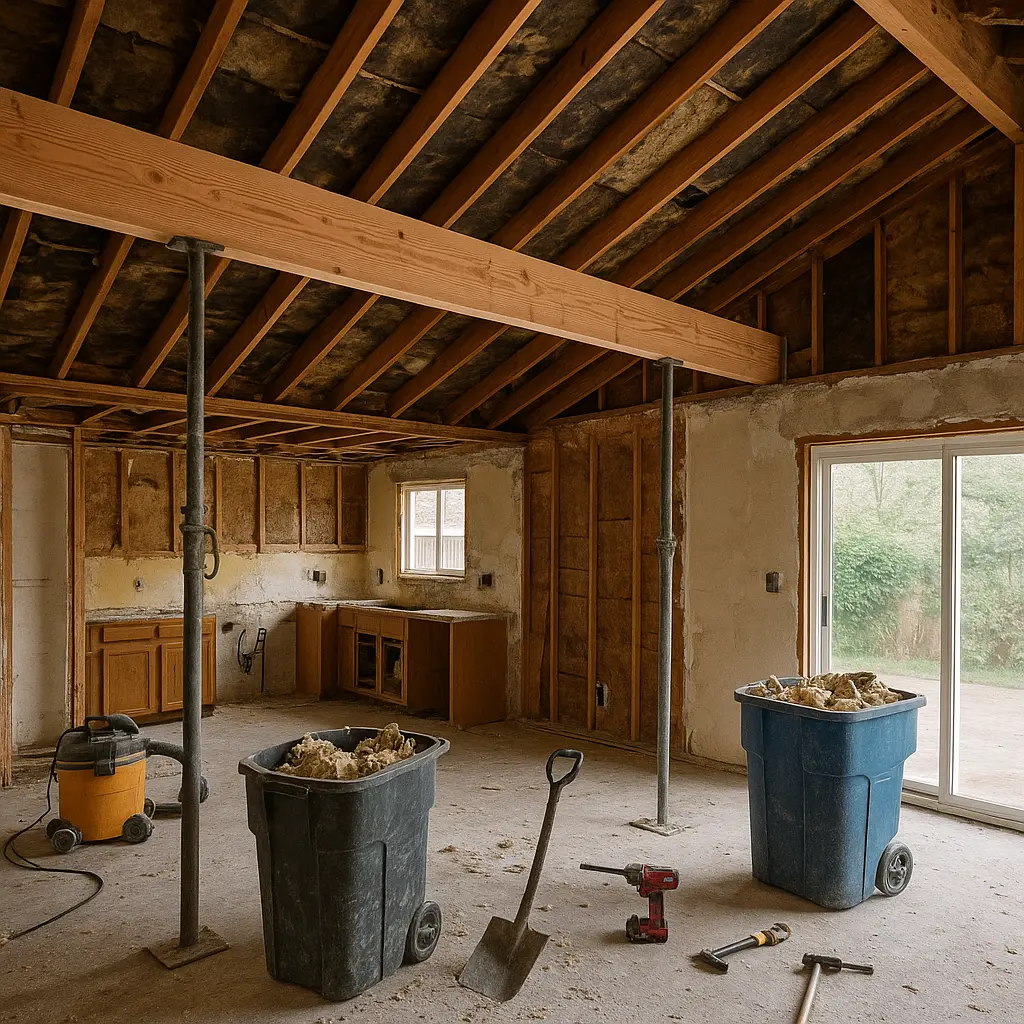
Once demolition begins, contractors sometimes discover conditions that were not visible during initial planning.
initial planning. Examples may include:
  • structural beams hidden inside walls
  • previous renovations that altered framing
  • undersized structural members from earlier construction methods
  • load paths that differ from modern design expectations
When structural engineers are involved early, many of these conditions can be anticipated and addressed before construction begins.
This helps avoid delays and unexpected redesigns during the project.

Fun Fact

Homes built between 1950–1980 in the Philly suburbs often used undersized joists and beams, especially in finished basements or over large spans without sufficient mid-span support.

Structural Engineering Supports Design Goals

Structural engineers work alongside architects and designers to make renovation ideas possible while preserving structural integrity.
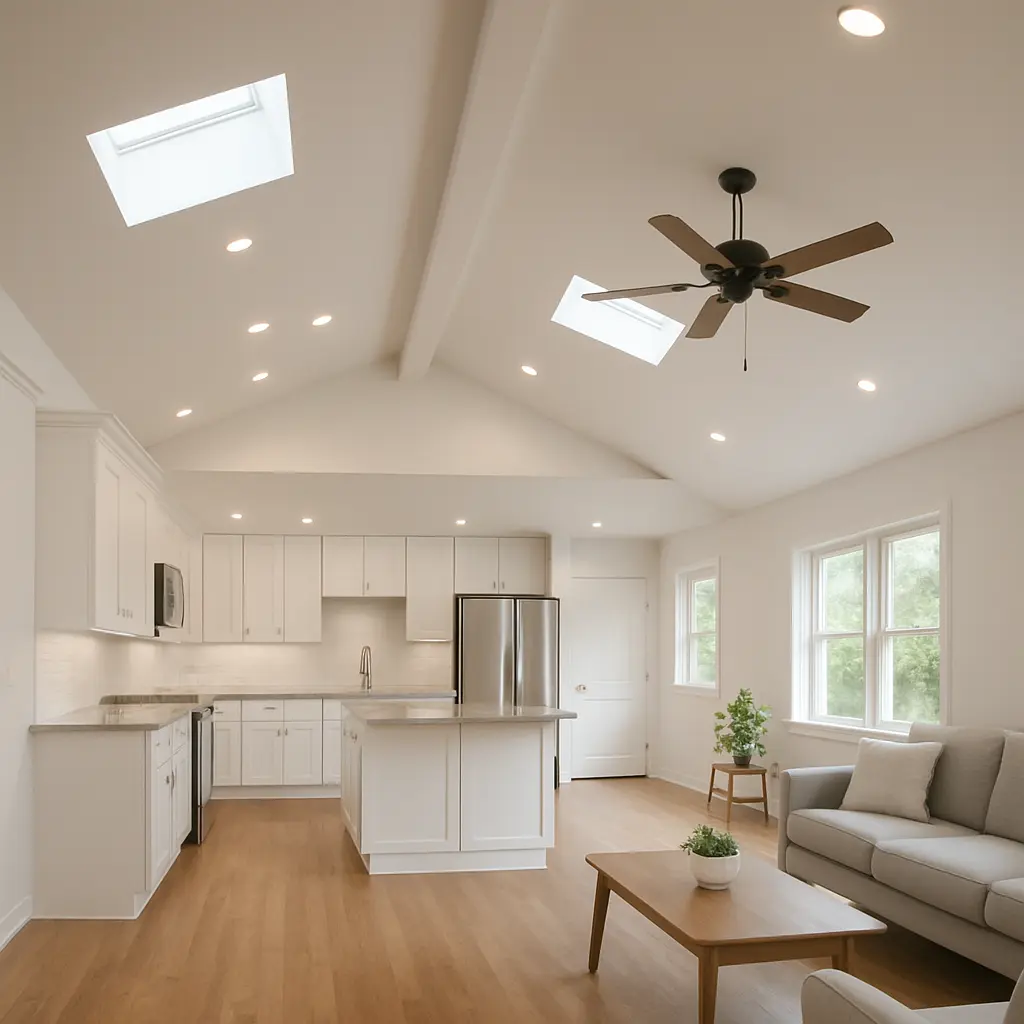
For example, when homeowners want to create a large open kitchen and living area, engineers can design beams that allow the removal of multiple interior walls.
Similarly, when large glass doors or windows are added to connect indoor and outdoor spaces, engineers determine how the loads above those openings will be safely supported.
These structural solutions allow architectural designs to become reality.

Independent Structural Advice Protects Homeowners

During large renovations, homeowners may receive many different opinions about structural changes.
Contractors may recommend one solution while designers propose another. In these situations, an independent structural engineer helps ensure that decisions are based on engineering analysis rather than guesswork.
Independent evaluations allow homeowners to understand:
  • what structural changes are possible
  • how loads will be transferred safely
  • what engineering documentation may be required for permits

"Good structural planning allows ambitious renovations to proceed with confidence."

Frequently Asked Questions

Q: Do large renovations require structural engineering?
A: Many renovations involving wall removal, additions, or large openings require engineered structural solutions.
Q: When should an engineer be involved in renovation planning?
A: Ideally before demolition begins, during the design stage.
Q: Do Bucks County permits require engineered drawings?
A: Many municipalities require stamped engineering drawings when structural elements of a home are modified.

Before You Open Up That Floor Plan: The Structural Risks of Removing Load-Bearing Walls

Open-concept renovations are still in — but skipping the structural engineer can cost you more than money
Open floor plans remain one of the most sought-after features in home remodeling. The appeal is obvious: clean sightlines, more natural light, and a flexible living space that fits the modern lifestyle. But as many homeowners across the Philadelphia region are learning — sometimes the hard way — removing a wall isn’t just a design decision. It’s a structural one.
For homes built between the 1950s and early 2000s, especially in areas like Yardley, King of Prussia, and the Main Line, knocking down a wall often means modifying the very system that holds the house up. And once that system is disturbed, mistakes aren’t just cosmetic — they can become catastrophic.

“We get called in all the time to fix problems that could’ve been avoided with a 30-minute consultation,” says Structure Professionals founder, Patrick Duffy “Just because a wall ‘feels’ like it’s not load-bearing doesn’t mean it isn’t doing critical work.”

The Rise — and Risk — of the Open Concept

HGTV-style home transformations have driven open-concept popularity for over a decade. But what gets glossed over in many TV renovations is the behind-the-scenes engineering required to safely create those wide, airy spaces.
In traditional framed homes, interior walls often carry the weight of the roof or upper floors, distributing loads down into the foundation. Removing one of those walls without redistributing that load can result in:
  • Sagging ceilings or cracked drywall
  • Uneven floors above the removed wall
  • Doors and windows that stop functioning properly
  • Long-term structural deflection
  • In worst-case scenarios, partial collapse
And these issues may not show up immediately. Some take months or even years to fully reveal themselves — often after a home is sold, appraised, or listed again.

How to Know if a Wall is Load-Bearing

There’s no one-size-fits-all answer. A wall that’s non-structural in one home may be absolutely critical in another. Some general rules:
  • Walls running perpendicular to floor joists are more likely to be load-bearing
  • Central walls in multi-story homes often carry load from above
  • Past renovations may have already shifted how loads are distributed
  • Basements and attics often reveal what’s really going on
But the only reliable way to know for sure is to have a licensed structural engineer evaluate the framing, load path, and support system of the home. That’s not something your contractor or architect can guess — and it’s why bringing in the right team early matters.

“If you’re planning to remove a wall — especially one near the center of the home — you need to know exactly what it’s doing structurally before you touch it,” says Duffy. “We’ve seen homes where DIY wall removal led to thousands of dollars in retroactive repairs.”

What Structural Engineers Do During an Open-Concept Renovation

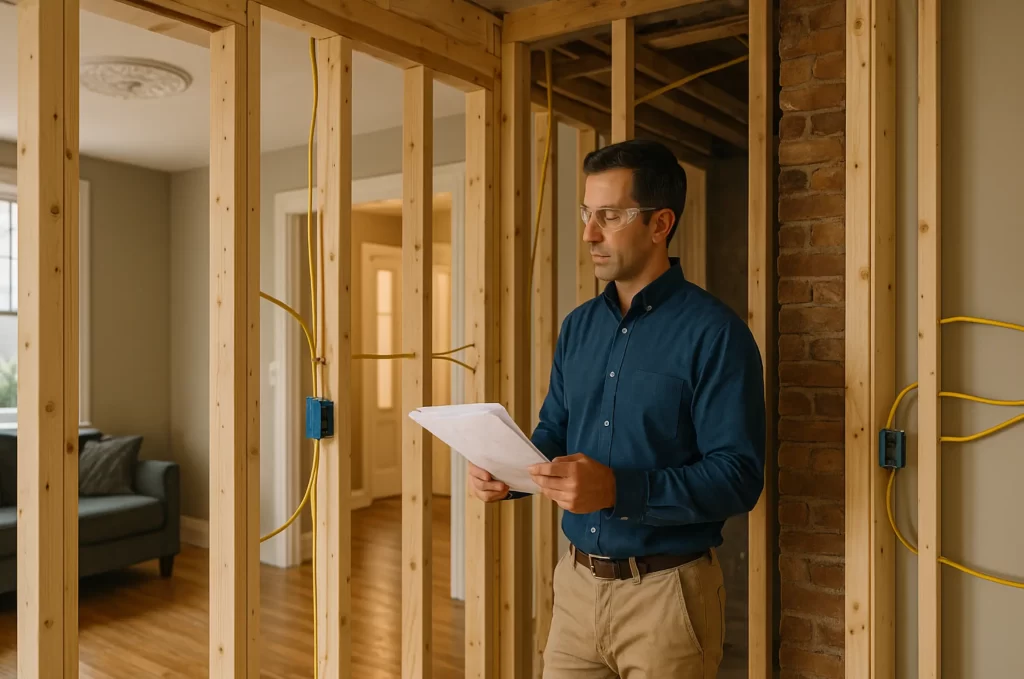
When homeowners reach out to Structure Professionals before opening up a floor plan, the process is clear and proactive. It typically includes:
  • On-site evaluation of framing, joist direction, and bearing points
  • Assessment of current load paths and how they’ll be affected
  • Design of new structural supports — such as beams, columns, or footings
  • Coordination with the contractor to ensure correct installation
  • Stamped engineering drawings for permit approval
This type of planning ensures the renovation is not only beautiful — but safe, code-compliant, and structurally sound for years to come.

It’s Not Always About Removing — Sometimes It’s About Replacing

In some cases, homeowners want to open up part of a wall — not remove it entirely. That might involve widening a doorway, adding a passthrough, or shifting a staircase. Even these seemingly minor changes can disturb the balance of weight inside a structure.
Smart renovations don’t eliminate structure — they rebuild and redistribute it. A properly sized LVL (laminated veneer lumber) beam, flush-mounted header, or steel post can maintain full load capacity while giving the open look homeowners want.

“You can absolutely get the open-concept feel you want — safely,” says the Structure Professionals team. “You just need the right supports in the right places. That’s what we design every day.”

Don’t Let Design Outpace Safety

Removing a wall might seem like a small part of your remodeling plan — but it’s often the most important. Whether you’re updating a split-level in Willow Grove or renovating a rowhome in Roxborough, involving a structural engineer at the start protects your investment, your safety, and your future resale.

Pro Tip

“Cosmetic patching without understanding the cause is like painting over rust — it doesn’t solve the problem. Always start with structure first.”

Thinking about opening up your floor plan?

Call Structure Professionals before the first hammer swing. We’ll help you open your space — without opening a structural can of worms.

Frequently Asked Questions

Q: How do I know if a wall is load-bearing?
A: While some general indicators exist — such as walls running perpendicular to joists or located near the center of the home — the only way to be certain is to have a licensed structural engineer evaluate your home’s framing. Guessing based on appearance can lead to serious structural damage.
Q: Can I remove a load-bearing wall without an engineer?
A: Technically, yes — but it’s extremely risky. Removing a structural wall without properly redistributing the load can result in sagging ceilings, cracked walls, uneven floors, and long-term structural damage. An engineer ensures the home remains safe and code-compliant.
Q: Do I need a permit to remove a wall in Philadelphia or its suburbs?
A: Yes, most municipalities in the Philadelphia area — including the city itself — require a building permit when removing or modifying a load-bearing wall. Permits often require stamped structural drawings, which a licensed engineer can provide.
Q: What does a structural engineer do during a wall removal project?
A: The engineer will assess your home’s structural system, determine which walls carry load, and design a replacement support system using beams, posts, or footings. They can also provide stamped drawings for your contractor and help navigate local permit requirements.
Q: Can I tell if a wall is load-bearing by checking the attic or basement?
A: Sometimes — unfinished basements and attics can expose joist direction and bearing points. But not all homes follow predictable framing rules, especially if they’ve had previous renovations. A visual inspection helps, but only a licensed structural engineer can confirm load paths with certainty.

The Return of the Wall: Why More Homeowners Are Re-Partitioning Their Open Floor Plans

Smart Remodeling with Structural Safety in the Philly Metro Area
For years, the open-concept floor plan reigned supreme. Walls were coming down left and right — especially in older Philadelphia-area homes — to make way for large, airy spaces combining kitchen, dining, and living areas. But in 2024, a quiet but growing trend is emerging: walls are coming back.
Whether it’s for noise control, privacy, energy efficiency, or just more defined living space, homeowners in communities from Bucks County to the Main Line are choosing to repartition their homes. But adding walls back in — especially after structural elements were removed — is not as simple as picking up some 2x4s and drywall.
Why the Open-Concept Trend Is Reversing

The pandemic sparked a shift in how we live in our homes:

  • More people are working from home and need dedicated offices or Zoom-friendly spaces.
  • Open spaces are louder and harder to heat or cool, particularly in older homes with large vaulted ceilings or multiple HVAC zones.
  • Families want separation: kids playing, parents working, someone watching TV — all need different zones.
Interior design magazines and remodeling shows have started to show layouts with intentional separation, cozy nooks, and architectural elements that give purpose to each space.
But It’s Just a Wall, Right? Not Quite.

Even though you’re “just putting walls back in,” there are serious structural considerations — especially if:

  • The wall was originally load-bearing and removed during a prior renovation
  • The home is older and relies on plaster and lath or balloon framing
  • The proposed new walls need to integrate with HVAC, plumbing, or existing ceiling joists
Adding a wall in the wrong place — or anchoring it improperly — can create stress points, lead to cracking, or even compromise the performance of nearby framing elements.
When to Call in a Structural Engineer

We recommend working with a structural engineer when:

  • You suspect the area used to have a load-bearing wall
  • The floor above has visible sagging or bounce
  • You plan to hang heavy items (TVs, bookshelves, cabinetry) on the new wall
  • The new layout will impact airflow, plumbing runs, or electrical routing
An engineer can help you determine whether the wall needs:

  • A foundation connection
  • Added blocking or headers
  • Coordination with existing beam spans
  • Proper shear bracing or fire separation (especially in twin or row homes)
Philadelphia-Area Case Study

In a recent project in Langhorne, a homeowner wanted to create a library nook and semi-closed office space where a large open dining room once stood. Our team assessed the floor and ceiling structure and found that while the prior contractor had removed the original load-bearing wall, the support beam used was under-sized. We redesigned a safe layout that reintroduced walls with built-in bookcases — and reinforced the beam above to support the new room divisions.
The Bottom Line

Open concept isn’t dead — but it’s no longer one-size-fits-all. As families evolve, so do their homes. And while adding walls may seem like a small design change, every wall is part of a larger system — one that should be reviewed structurally for safety, function, and long-term value.
Thinking of Adding Walls Back In? Start with a Plan.

Structure Professionals can evaluate your existing space, identify any prior structural changes, and guide your remodel with code-compliant solutions. Whether it’s a new office, playroom, or just better flow — we’ll help you get it right.