
Quick Answer
Understanding How Homes Age Over Time
These natural processes often produce small cosmetic symptoms such as hairline cracks in drywall or minor shifts in flooring. In many cases, these changes are completely normal and do not affect the structural safety of the home.
However, when structural movement becomes more pronounced or follows certain patterns, it may indicate that the building’s structural system is experiencing stress.
At Structure Professionals, structural evaluations often begin when homeowners notice changes in their home and want to understand whether those changes are normal or require further attention.
Common Signs of Structural Damage in a House
Some of the most common signs include:
- large cracks in foundation walls
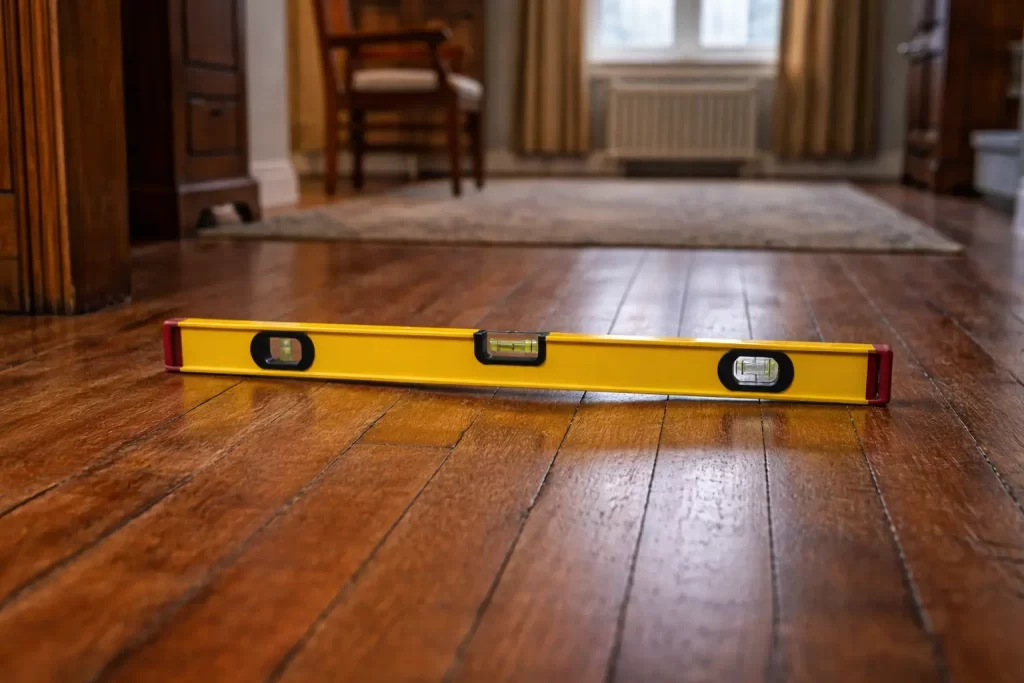
- floors that slope or feel uneven
- doors or windows that no longer close properly
- cracks that extend across ceilings or walls
- gaps appearing around window or door frames
- basement walls that bow inward or lean outward
Structural engineers evaluate the pattern, size, and location of these symptoms to determine whether they reflect normal building movement or something more significant.
“Not every structural symptom means something is failing. Homes naturally settle and move over time. A structural engineer’s role is to determine whether what you’re seeing is normal building behavior or something that requires attention.”
Why Structural Symptoms Often Appear Gradually
- soil settlement beneath foundations
- moisture changes in the ground
- long-term loading of structural framing
- seasonal expansion and contraction of materials
For example, a door that once closed easily may begin sticking slightly as framing shifts. Similarly, a hairline drywall crack may widen slightly as a house settles.
Understanding these patterns is part of structural evaluation.
Many Structural Concerns Are Not Catastrophic
Many homes throughout Bucks County, Montgomery County, Chester County, and Mercer County display minor structural symptoms that have stabilized over decades.
Structural engineers evaluate the entire structural system to determine whether movement is ongoing or whether the structure has already reached a stable condition.
At Structure Professionals, inspections frequently confirm that visible structural symptoms are part of normal building aging rather than serious structural problems.
“Homeowners often assume the worst when they notice cracks or movement in a home. In reality, many structural concerns turn out to be manageable once the building is evaluated in context. The goal of a structural inspection is to replace uncertainty with clear, practical information.”
When a Structural Evaluation May Be Helpful
Although many structural symptoms are harmless, certain situations may warrant further evaluation.
Homeowners may consider contacting a structural engineer if they notice:
- cracks wider than approximately ¼ inch
- rapidly growing cracks in walls or foundations
- floors that noticeably slope across a room
- walls that appear bowed or leaning
- structural movement following renovations or wall removal
Key Insight
“Most homes with visible cracks or minor structural symptoms are still structurally sound. The goal of structural evaluation is to understand the cause and determine whether the building is performing as intended.”
Structural Inspections Provide Clarity
During an inspection, engineers may review:
- foundation walls and footings
- floor framing and beams
- roof framing and structural supports
- visible signs of structural movement
At Structure Professionals, the goal of a structural inspection is to help homeowners understand what they are seeing and whether any action is necessary.
Frequently Asked Questions
A: Look for patterns such as large foundation cracks, significant floor slopes, or doors and windows that suddenly stop working properly. A structural engineer can determine whether these symptoms indicate structural movement.
A: No. Many cracks occur as part of normal settlement or material shrinkage. Structural engineers evaluate crack size, location, and pattern to determine whether they are structural.
A: Yes. Many older homes develop minor floor slopes as framing settles over time. Structural evaluation determines whether the movement is stable or ongoing.
A: Most concrete foundations develop small cracks over time. Engineers evaluate whether cracks are typical settlement cracks or signs of structural movement.
Final Thoughts
Structural engineering provides the context needed to determine whether structural conditions represent normal aging or something that requires attention.
At Structure Professionals, structural evaluations help homeowners gain clear insight into their building so they can make informed decisions with confidence.
Comments are closed for this article!