Is My House Structurally Safe? Signs of Structural Damage Homeowners Should Know

Quick Answer

Most homes develop small cracks or minor movement over time, and these are often normal signs of aging rather than structural failure. However, patterns such as large foundation cracks, significant floor slopes, bowing walls, or doors and windows that suddenly stop working properly may indicate structural movement that should be evaluated by a structural engineer.

Understanding How Homes Age Over Time

Every home changes as it ages. Foundations settle slightly, building materials expand and contract with seasonal temperature changes, and framing systems adjust to long-term loads.

These natural processes often produce small cosmetic symptoms such as hairline cracks in drywall or minor shifts in flooring. In many cases, these changes are completely normal and do not affect the structural safety of the home.

However, when structural movement becomes more pronounced or follows certain patterns, it may indicate that the building’s structural system is experiencing stress.

At Structure Professionals, structural evaluations often begin when homeowners notice changes in their home and want to understand whether those changes are normal or require further attention.

Common Signs of Structural Damage in a House

Homeowners sometimes notice structural symptoms while walking through their home, especially in older properties.

Some of the most common signs include:
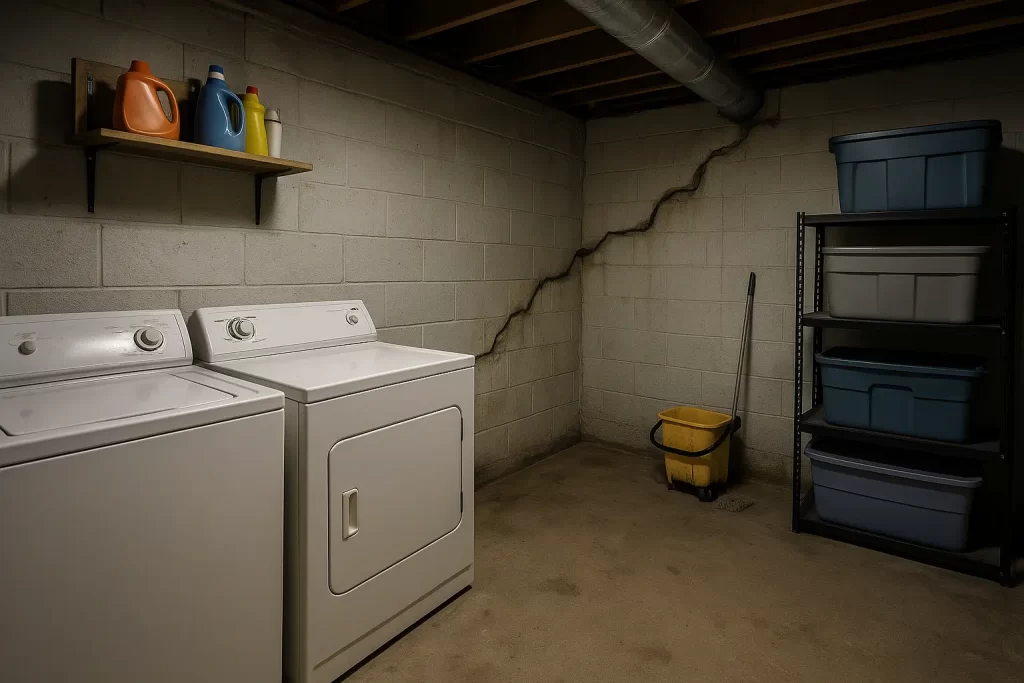
  • large cracks in foundation walls
  • floors that slope or feel uneven
  • doors or windows that no longer close properly
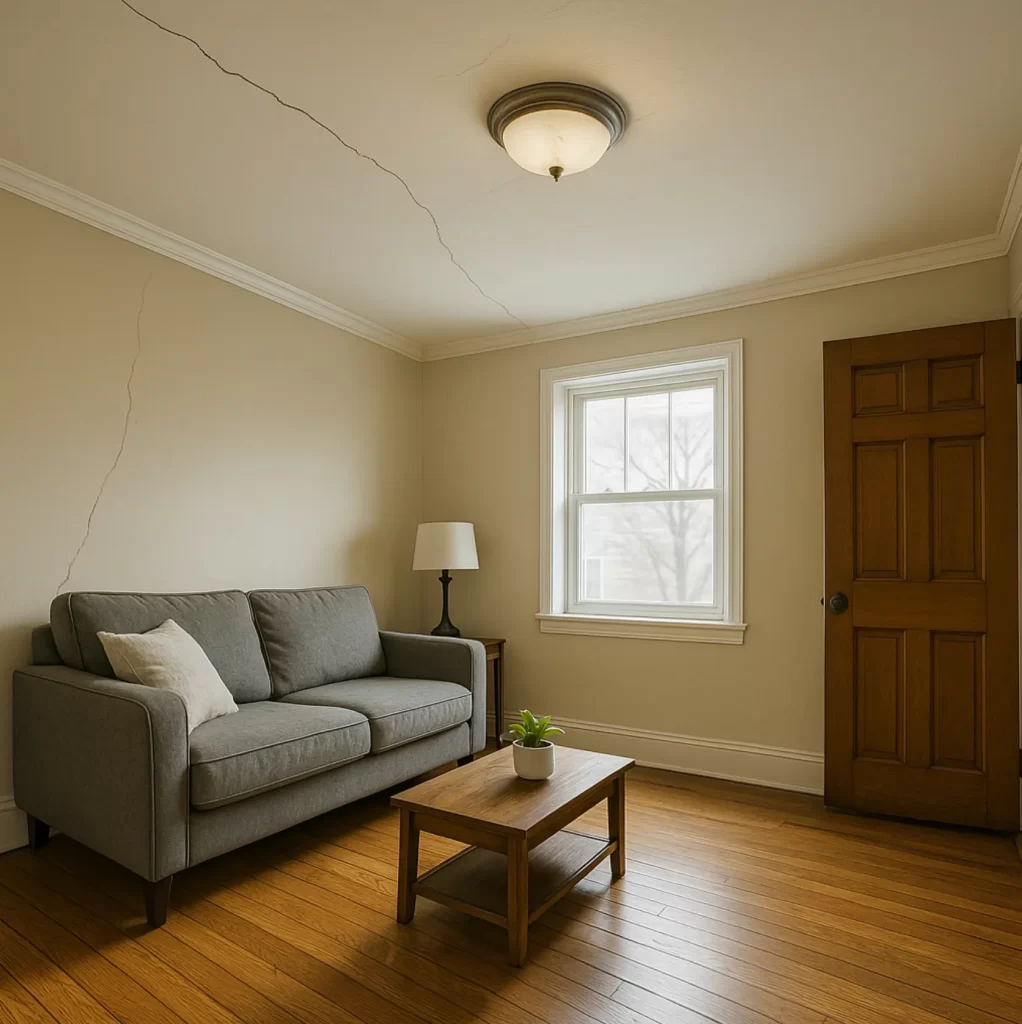
  • cracks that extend across ceilings or walls
  • gaps appearing around window or door frames
  • basement walls that bow inward or lean outward
These symptoms do not always mean a home has structural damage. Many houses develop minor settlement cracks or small shifts that stabilize over time.

Structural engineers evaluate the pattern, size, and location of these symptoms to determine whether they reflect normal building movement or something more significant.

“Not every structural symptom means something is failing. Homes naturally settle and move over time. A structural engineer’s role is to determine whether what you’re seeing is normal building behavior or something that requires attention.”
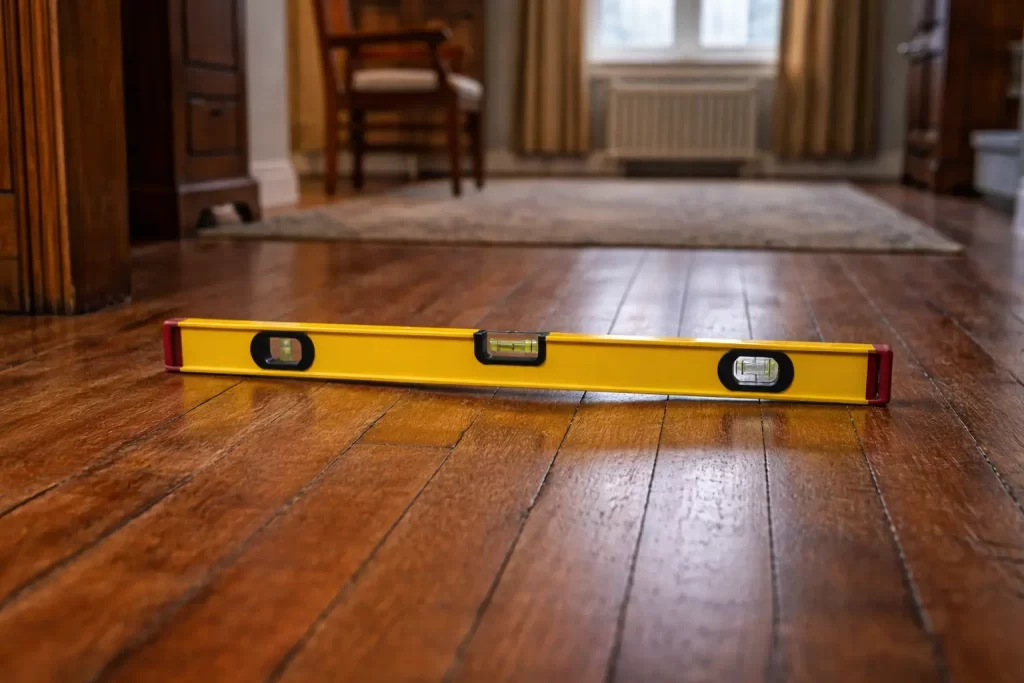
Why Structural Symptoms Often Appear Gradually

Structural changes rarely occur overnight. In most cases, structural movement develops slowly over time as buildings respond to:
  • soil settlement beneath foundations
  • moisture changes in the ground
  • long-term loading of structural framing
  • seasonal expansion and contraction of materials
Because these changes occur gradually, homeowners may only notice them when symptoms reach a visible level.

For example, a door that once closed easily may begin sticking slightly as framing shifts. Similarly, a hairline drywall crack may widen slightly as a house settles.

Understanding these patterns is part of structural evaluation.

Many Structural Concerns Are Not Catastrophic

One of the most important things homeowners should understand is that not every crack or slope indicates structural failure.

Many homes throughout Bucks County, Montgomery County, Chester County, and Mercer County display minor structural symptoms that have stabilized over decades.

Structural engineers evaluate the entire structural system to determine whether movement is ongoing or whether the structure has already reached a stable condition.

At Structure Professionals, inspections frequently confirm that visible structural symptoms are part of normal building aging rather than serious structural problems.

“Homeowners often assume the worst when they notice cracks or movement in a home. In reality, many structural concerns turn out to be manageable once the building is evaluated in context. The goal of a structural inspection is to replace uncertainty with clear, practical information.”

When a Structural Evaluation May Be Helpful

Although many structural symptoms are harmless, certain situations may warrant further evaluation.


Homeowners may consider contacting a structural engineer if they notice:

  • cracks wider than approximately ¼ inch
  • rapidly growing cracks in walls or foundations
  • floors that noticeably slope across a room
  • walls that appear bowed or leaning
  • structural movement following renovations or wall removal
Structural engineers evaluate how loads move through the building and determine whether the structure is performing as intended.

Key Insight

“Most homes with visible cracks or minor structural symptoms are still structurally sound. The goal of structural evaluation is to understand the cause and determine whether the building is performing as intended.”

Structural Inspections Provide Clarity

Structural evaluations focus on understanding the building as a complete system.

During an inspection, engineers may review:
  • foundation walls and footings
  • floor framing and beams
  • roof framing and structural supports
  • visible signs of structural movement
By analyzing these elements together, engineers determine how the building carries weight and whether structural performance has changed over time.

At Structure Professionals, the goal of a structural inspection is to help homeowners understand what they are seeing and whether any action is necessary.

Frequently Asked Questions

Q: How can I tell if my house has structural problems?
A: Look for patterns such as large foundation cracks, significant floor slopes, or doors and windows that suddenly stop working properly. A structural engineer can determine whether these symptoms indicate structural movement.
Q: Are cracks in walls always a structural problem?
A: No. Many cracks occur as part of normal settlement or material shrinkage. Structural engineers evaluate crack size, location, and pattern to determine whether they are structural.
Q: Is it normal for older homes to have sloping floors?
A: Yes. Many older homes develop minor floor slopes as framing settles over time. Structural evaluation determines whether the movement is stable or ongoing.
Q: Should I worry if my foundation has cracks?
A: Most concrete foundations develop small cracks over time. Engineers evaluate whether cracks are typical settlement cracks or signs of structural movement.

Final Thoughts

Most homes show small signs of aging over time, and these changes rarely indicate structural danger. The key is understanding how the building performs as a whole rather than focusing on a single crack or symptom.

Structural engineering provides the context needed to determine whether structural conditions represent normal aging or something that requires attention.

At Structure Professionals, structural evaluations help homeowners gain clear insight into their building so they can make informed decisions with confidence.


Large Home Renovations in Bucks County: Why Structural Planning Matters Early

Quick Answer

Many large homes in Bucks County undergo major renovations that alter structural layouts, including open floor plans and large additions. Involving a structural engineer early in the design process helps ensure the home’s structural system safely supports these changes before construction begins.

Renovations Are Transforming Many Bucks County Homes

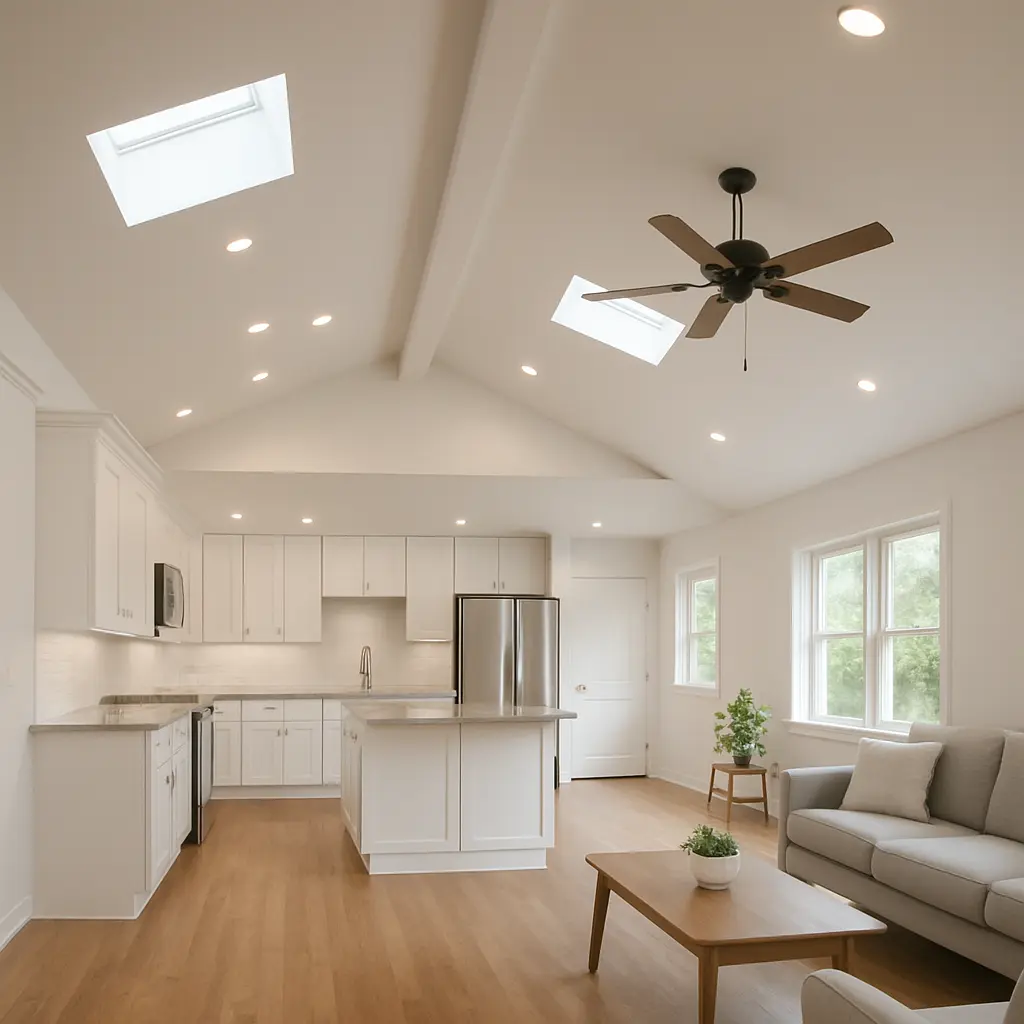
Over the past two decades, many homeowners in Bucks County have invested heavily in updating and expanding their homes. Large kitchens, open living spaces, and modern additions are common features in renovations throughout the region.
While these improvements can dramatically enhance a property, they often require significant structural changes.
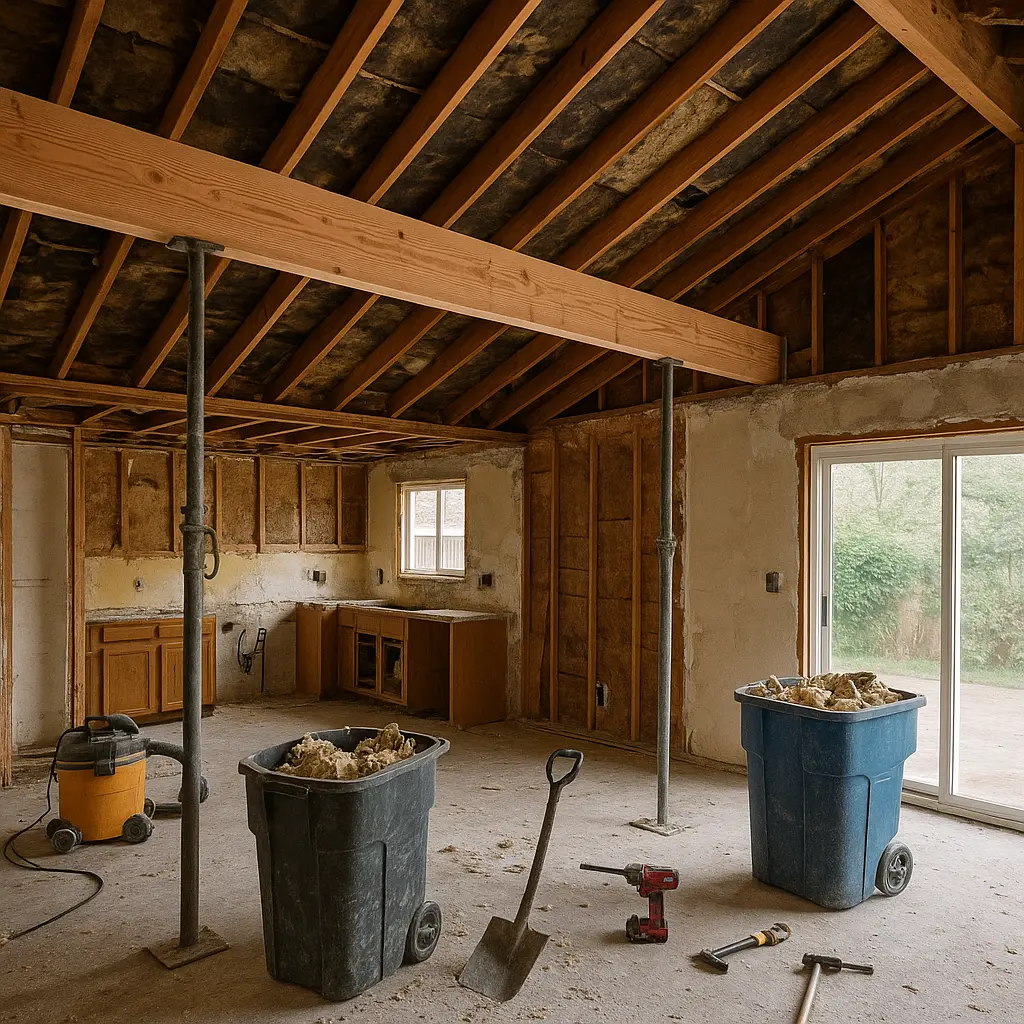
Walls may be removed, ceilings may be raised, and new openings may be added to connect interior spaces with outdoor living areas.
These changes can alter how the structure carries weight throughout the home.

“Every renovation changes the structural story of the building.”

Understanding that structural story early in the design process helps ensure that renovations proceed safely and efficiently.

“Many of the structural problems we find could’ve been addressed years earlier for a fraction of the cost — if someone had just looked into that little crack in the ceiling.”
— Structure Professionals, Philadelphia

“Many of the structural problems we find could’ve been addressed years earlier for a fraction of the cost — if someone had just looked into that little crack in the ceiling.”
— Structure Professionals, Philadelphia

Larger Homes Often Mean Larger Structural Spans

Many homes in Bucks County were built with spacious layouts and large rooms. While these features create beautiful living environments, they also mean that structural elements may span longer distances than in smaller homes.
When walls are removed or openings expanded, the loads previously carried by those walls must be transferred to beams or other structural supports.
Depending on the size of the opening, these beams may be made from:
  • engineered LVL lumber
  • steel structural beams
  • built-up wood framing systems
The correct structural solution depends on the loads involved and how they travel through the building.

Structural Surprises Often Appear During Renovation

Once demolition begins, contractors sometimes discover conditions that were not visible during initial planning.
initial planning. Examples may include:
  • structural beams hidden inside walls
  • previous renovations that altered framing
  • undersized structural members from earlier construction methods
  • load paths that differ from modern design expectations
When structural engineers are involved early, many of these conditions can be anticipated and addressed before construction begins.
This helps avoid delays and unexpected redesigns during the project.

Fun Fact

Homes built between 1950–1980 in the Philly suburbs often used undersized joists and beams, especially in finished basements or over large spans without sufficient mid-span support.

Structural Engineering Supports Design Goals

Structural engineers work alongside architects and designers to make renovation ideas possible while preserving structural integrity.
For example, when homeowners want to create a large open kitchen and living area, engineers can design beams that allow the removal of multiple interior walls.
Similarly, when large glass doors or windows are added to connect indoor and outdoor spaces, engineers determine how the loads above those openings will be safely supported.
These structural solutions allow architectural designs to become reality.

Independent Structural Advice Protects Homeowners

During large renovations, homeowners may receive many different opinions about structural changes.
Contractors may recommend one solution while designers propose another. In these situations, an independent structural engineer helps ensure that decisions are based on engineering analysis rather than guesswork.
Independent evaluations allow homeowners to understand:
  • what structural changes are possible
  • how loads will be transferred safely
  • what engineering documentation may be required for permits

"Good structural planning allows ambitious renovations to proceed with confidence."

Frequently Asked Questions

Q: Do large renovations require structural engineering?
A: Many renovations involving wall removal, additions, or large openings require engineered structural solutions.
Q: When should an engineer be involved in renovation planning?
A: Ideally before demolition begins, during the design stage.
Q: Do Bucks County permits require engineered drawings?
A: Many municipalities require stamped engineering drawings when structural elements of a home are modified.

Before You Open Up That Floor Plan: The Structural Risks of Removing Load-Bearing Walls

Open-concept renovations are still in — but skipping the structural engineer can cost you more than money
Open floor plans remain one of the most sought-after features in home remodeling. The appeal is obvious: clean sightlines, more natural light, and a flexible living space that fits the modern lifestyle. But as many homeowners across the Philadelphia region are learning — sometimes the hard way — removing a wall isn’t just a design decision. It’s a structural one.
For homes built between the 1950s and early 2000s, especially in areas like Yardley, King of Prussia, and the Main Line, knocking down a wall often means modifying the very system that holds the house up. And once that system is disturbed, mistakes aren’t just cosmetic — they can become catastrophic.

“We get called in all the time to fix problems that could’ve been avoided with a 30-minute consultation,” says Structure Professionals founder, Patrick Duffy “Just because a wall ‘feels’ like it’s not load-bearing doesn’t mean it isn’t doing critical work.”

The Rise — and Risk — of the Open Concept

HGTV-style home transformations have driven open-concept popularity for over a decade. But what gets glossed over in many TV renovations is the behind-the-scenes engineering required to safely create those wide, airy spaces.
In traditional framed homes, interior walls often carry the weight of the roof or upper floors, distributing loads down into the foundation. Removing one of those walls without redistributing that load can result in:
  • Sagging ceilings or cracked drywall
  • Uneven floors above the removed wall
  • Doors and windows that stop functioning properly
  • Long-term structural deflection
  • In worst-case scenarios, partial collapse
And these issues may not show up immediately. Some take months or even years to fully reveal themselves — often after a home is sold, appraised, or listed again.

How to Know if a Wall is Load-Bearing

There’s no one-size-fits-all answer. A wall that’s non-structural in one home may be absolutely critical in another. Some general rules:
  • Walls running perpendicular to floor joists are more likely to be load-bearing
  • Central walls in multi-story homes often carry load from above
  • Past renovations may have already shifted how loads are distributed
  • Basements and attics often reveal what’s really going on
But the only reliable way to know for sure is to have a licensed structural engineer evaluate the framing, load path, and support system of the home. That’s not something your contractor or architect can guess — and it’s why bringing in the right team early matters.

“If you’re planning to remove a wall — especially one near the center of the home — you need to know exactly what it’s doing structurally before you touch it,” says Duffy. “We’ve seen homes where DIY wall removal led to thousands of dollars in retroactive repairs.”

What Structural Engineers Do During an Open-Concept Renovation

When homeowners reach out to Structure Professionals before opening up a floor plan, the process is clear and proactive. It typically includes:
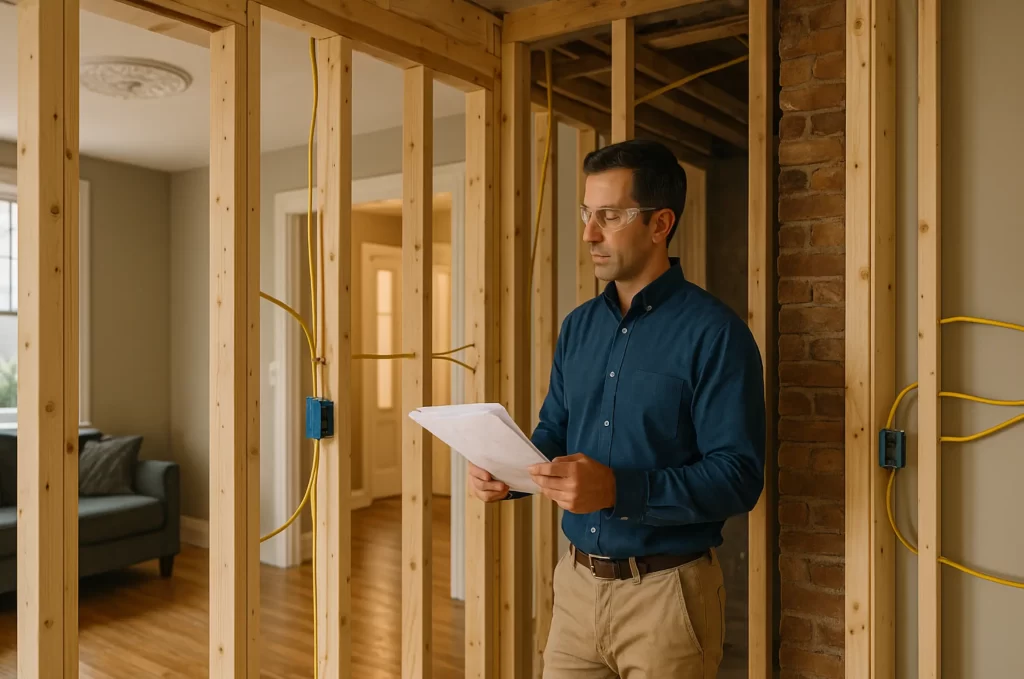
  • On-site evaluation of framing, joist direction, and bearing points
  • Assessment of current load paths and how they’ll be affected
  • Design of new structural supports — such as beams, columns, or footings
  • Coordination with the contractor to ensure correct installation
  • Stamped engineering drawings for permit approval
This type of planning ensures the renovation is not only beautiful — but safe, code-compliant, and structurally sound for years to come.

It’s Not Always About Removing — Sometimes It’s About Replacing

In some cases, homeowners want to open up part of a wall — not remove it entirely. That might involve widening a doorway, adding a passthrough, or shifting a staircase. Even these seemingly minor changes can disturb the balance of weight inside a structure.
Smart renovations don’t eliminate structure — they rebuild and redistribute it. A properly sized LVL (laminated veneer lumber) beam, flush-mounted header, or steel post can maintain full load capacity while giving the open look homeowners want.

“You can absolutely get the open-concept feel you want — safely,” says the Structure Professionals team. “You just need the right supports in the right places. That’s what we design every day.”

Don’t Let Design Outpace Safety

Removing a wall might seem like a small part of your remodeling plan — but it’s often the most important. Whether you’re updating a split-level in Willow Grove or renovating a rowhome in Roxborough, involving a structural engineer at the start protects your investment, your safety, and your future resale.

Pro Tip

“Cosmetic patching without understanding the cause is like painting over rust — it doesn’t solve the problem. Always start with structure first.”

Thinking about opening up your floor plan?

Call Structure Professionals before the first hammer swing. We’ll help you open your space — without opening a structural can of worms.

Frequently Asked Questions

Q: How do I know if a wall is load-bearing?
A: While some general indicators exist — such as walls running perpendicular to joists or located near the center of the home — the only way to be certain is to have a licensed structural engineer evaluate your home’s framing. Guessing based on appearance can lead to serious structural damage.
Q: Can I remove a load-bearing wall without an engineer?
A: Technically, yes — but it’s extremely risky. Removing a structural wall without properly redistributing the load can result in sagging ceilings, cracked walls, uneven floors, and long-term structural damage. An engineer ensures the home remains safe and code-compliant.
Q: Do I need a permit to remove a wall in Philadelphia or its suburbs?
A: Yes, most municipalities in the Philadelphia area — including the city itself — require a building permit when removing or modifying a load-bearing wall. Permits often require stamped structural drawings, which a licensed engineer can provide.
Q: What does a structural engineer do during a wall removal project?
A: The engineer will assess your home’s structural system, determine which walls carry load, and design a replacement support system using beams, posts, or footings. They can also provide stamped drawings for your contractor and help navigate local permit requirements.
Q: Can I tell if a wall is load-bearing by checking the attic or basement?
A: Sometimes — unfinished basements and attics can expose joist direction and bearing points. But not all homes follow predictable framing rules, especially if they’ve had previous renovations. A visual inspection helps, but only a licensed structural engineer can confirm load paths with certainty.

Foundations in the Philly Suburbs: Common Issues in 1960s–1990s Homes

From Yardley to King of Prussia, structural wear is showing up in basements across the region — here’s what it means for homeowners
For many homeowners in the Philadelphia suburbs, the foundation beneath their feet hasn’t been thought about in decades — until something goes wrong. A few cracks in the basement wall. Water that keeps seeping in after every storm. Doors that suddenly don’t close like they used to.

“We’re seeing the same types of issues across neighborhoods that were developed in the post-war boom and into the 1980s and '90s,” says the team at Structure Professionals. “The materials were solid for the time, but no foundation is built to last forever without maintenance — especially not in this climate.”

The Hidden Wear Beneath Your Home

Most suburban homes from this era were built on poured concrete or concrete block foundations. When installed correctly, these systems offered durability and strength. But decades of shifting soils, freeze-thaw cycles, and water intrusion begin to take their toll.
What starts as a small vertical crack can slowly expand. Walls can begin to bow outward. Moisture starts finding its way through cold joints or the basement slab. And in many cases, the signs go unnoticed — or worse, are patched over — until the damage has advanced.
In communities like Doylestown, Newtown, and West Norriton, homes that once passed inspection with ease are now showing signs of settling and hydrostatic pressure that weren’t apparent in the first 20 or 30 years of ownership.

“Many of the structural problems we find could’ve been addressed years earlier for a fraction of the cost — if someone had just looked into that little crack in the ceiling.”
— Structure Professionals, Philadelphia

“Many of the structural problems we find could’ve been addressed years earlier for a fraction of the cost — if someone had just looked into that little crack in the ceiling.”
— Structure Professionals, Philadelphia

What Causes These Issues?

There’s rarely a single culprit. Instead, it’s a combination of aging materials, outdated drainage, and natural soil behavior across the region. Many homes rely on perimeter drains or sump systems that have long since failed. Others were built before current codes required foundation waterproofing or expansive soil analysis.
Compounding the problem is the clay-heavy soil common in this part of Pennsylvania. These soils expand when saturated and shrink during dry periods, exerting stress on foundation walls year after year. Over time, even well-built structures begin to show signs of fatigue.

When a Crack Is More Than Just a Crack

Cracking alone doesn’t necessarily signal catastrophe — homes settle, and minor cosmetic cracks are expected. But wider gaps, diagonal stair-step cracks in block walls, or continuous seepage through basement floors may be signs of a foundation that’s actively shifting or failing.
One of the more common calls Structure Professionals receives is from homeowners who notice that their floor slopes slightly or that furniture seems uneven. Others mention that after a particularly rainy season, water suddenly appeared where it never had before. These aren’t isolated incidents — they’re often the first indicators of long-developing structural issues.

“By the time the signs are obvious, the damage has usually been happening for years,” the Structure Professionals team explains. “The sooner we’re brought in, the more options you have — and the less expensive the repair tends to be.”

Fun Fact

Homes built between 1950–1980 in the Philly suburbs often used undersized joists and beams, especially in finished basements or over large spans without sufficient mid-span support.

The Value of a Structural Evaluation

A proper structural inspection goes beyond noting visible cracks. It includes measuring deflection, identifying hydrostatic pressure points, checking for beam sag, and evaluating the home’s entire load path — from roof to footings. This allows for accurate diagnosis and targeted repair planning, whether it’s a simple reinforcement or a major rebuild.
Many homeowners make the mistake of calling a contractor first, when what they really need is an engineer’s assessment. An engineer can determine whether a crack is superficial or symptomatic of deeper problems. This also helps prevent unnecessary repairs and ensures that any corrective work meets local code requirements — a major consideration in suburban townships known for strict permitting and inspection processes.

A Regional Pattern, a Local Solution

From Levittown’s classic ranchers to split-level homes in Blue Bell, the signs of foundation aging are becoming more common — and in some cases, more urgent. Real estate agents are increasingly calling for structural reviews before listing homes, especially when buyers’ inspectors are quick to flag even minor issues.
Structure Professionals has worked extensively in neighborhoods throughout Bucks, Montgomery, and Chester Counties and understands the regional nuances — including how local code officials interpret structural concerns. That familiarity can speed up the repair process and eliminate unnecessary headaches.

“It’s not about panic — it’s about preparedness,” says the team. “If you see something, it’s worth checking. That’s what we’re here for.”

Pro Tip

“Cosmetic patching without understanding the cause is like painting over rust — it doesn’t solve the problem. Always start with structure first.”

When to Take Action

You don’t need to wait until a basement floods or a crack stretches across the entire wall. In fact, the best time to call is when concerns first arise — or ideally, before a major remodel or property sale.
Whether you’ve noticed signs of settling, suspect water damage, or just want peace of mind, a professional structural review is one of the smartest steps you can take as a homeowner.
The foundation might be out of sight — but it should never be out of mind.

Frequently Asked Questions

Q: How do I know if my foundation crack is serious?
A: Hairline cracks are common in aging homes, but if the crack is wider than 1/8″, growing over time, or accompanied by water intrusion or wall bowing, it should be evaluated by a structural engineer.
Q: Is water in my basement always a foundation issue?
A: Not always — but frequent or recurring seepage can be a sign of pressure against the foundation, drainage failure, or cracks in the floor slab. It’s best to have it assessed before mold or structural damage develops.
Q: What does a structural engineer look for in a foundation inspection?
A: Engineers evaluate the load path, inspect for structural movement, identify signs of hydrostatic pressure, and check for code compliance. They provide stamped reports and repair plans if corrective work is needed.

What to Do If You Receive a Violation Notice from Philadelphia L&I

Structure Professionals offers expert help when you’re facing an Order to Correct
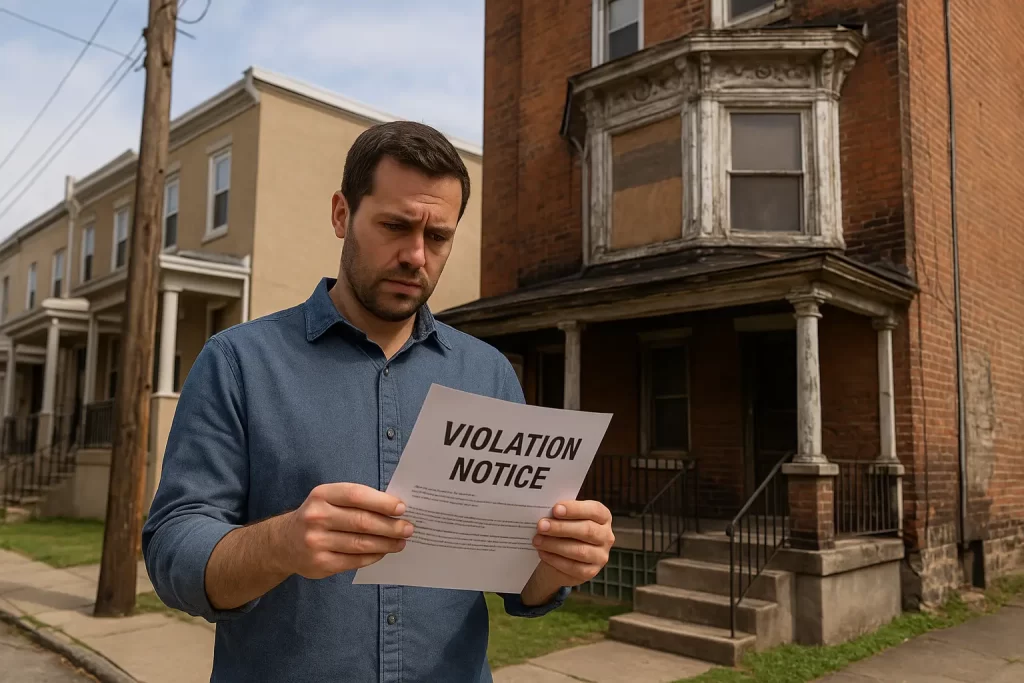
Receiving a Violation Notice and Order to Correct from the City of Philadelphia’s Department of Licenses & Inspections (L&I) can feel overwhelming — especially if you’re unfamiliar with the process or unsure of how serious the issue is. The good news: you’re not alone, and you have options.
At Structure Professionals, we specialize in helping property owners respond to these notices quickly and correctly — saving you the stress, fines, and confusion that often follow.

Don’t Panic — But Don’t Ignore It

A Violation Notice means that L&I found something at your property that does not meet current code or was done without proper permits. This can include things like unapproved renovations, unsafe structural conditions, deteriorating facades, or even missing paperwork.
While the notice may sound intimidating, it’s important to know that not every violation is dangerous or complicated — but all of them require a response. Ignoring it won’t make it go away. In fact, it could lead to mounting fines, city intervention, or even legal action.

“We understand how to work with L&I — and more importantly, how to take the pressure off of you,” says the Structure Professionals team. “Getting a notice isn’t the end of the world. It’s just a signal that something needs to be addressed — and we know exactly how to get it done.”

“Many of the structural problems we find could’ve been addressed years earlier for a fraction of the cost — if someone had just looked into that little crack in the ceiling.”
— Structure Professionals, Philadelphia

What’s in a Violation Notice?

Most notices contain the following:
  • A clear description of the violation(s)
  • A deadline to correct the issue or file an appeal (usually 30 days)
  • Instructions for how to comply or contest the findings
  • Information about potential penalties if no action is taken
In more urgent cases, such as when a building is deemed “imminently dangerous,” that response window can be reduced to just a few days.

How Structure Professionals Can Help

This is exactly the kind of situation we handle for our clients — and we’ve done it many times before. Here’s what we do:
  • Review and interpret the violation so you fully understand what’s required
  • Conduct a structural assessment if the issue involves framing, foundation, or unsafe conditions
  • Design a compliant fix that meets L&I requirements
  • Coordinate and oversee the repairs, or work directly with your contractor
  • Manage communication with L&I, including submitting plans or reports as needed
  • Schedule and prepare for reinspection to help close out the violation quickly

Fun Fact

Homes built between 1950–1980 in the Philly suburbs often used undersized joists and beams, especially in finished basements or over large spans without sufficient mid-span support.

Why Time Matters

Most notices give property owners 30 days to either fix the issue or file an appeal. That’s a firm deadline — not a suggestion. After that window closes, the city may impose daily fines or additional reinspection fees. In extreme cases, the city may even take corrective action themselves — then bill you for it.
Responding promptly not only keeps you in compliance — it helps you stay in control of who does the work, how it’s done, and what it costs.

When to Call a Structural Engineer

You should involve a structural engineering firm if your violation includes:
  • Load-bearing walls removed without a permit
  • Foundation cracking or visible structural damage
  • Improper framing, sagging floors, or unsafe decks
  • Anything labeled “Unsafe” or “Imminently Dangerous”
We can inspect the issue, provide stamped drawings or reports, and work with your contractor to bring everything up to code — quickly and professionally.

Pro Tip

“Cosmetic patching without understanding the cause is like painting over rust — it doesn’t solve the problem. Always start with structure first.”

Protect Your Property — and Your Peace of Mind

Getting a violation notice can be unsettling, but it’s also an opportunity to correct a problem before it gets worse. With Structure Professionals on your side, you don’t have to navigate city codes or construction requirements alone.
We’ll handle the process, communicate with L&I on your behalf, and make sure everything gets resolved the right way — so you can move forward with confidence.

Helpful Resources for Property Owners

  • The Philadelphia Code is available online at www.phila.gov under the “Open Government” section.
  • Department of Licenses & Inspections (L&I): How violations and inspections work
  • L&I Review Board: How to file an appeal
  • Public Interest Law Center: Resources for tenants and property owners

Cracked Ceilings and Sloping Floors: When Cosmetic Problems Are Structural

Philadelphia-Area Homeowners: Know What to Watch For

What causes sloping floors or ceiling cracks in older homes?

In most cases, these issues are caused by aging materials, past renovations, foundation settlement, or hidden water damage.

Over time, materials wear, settle, or weaken — especially in homes built before 1980. Many houses in the Philadelphia metro area, from Center City rowhomes to post-war suburban builds in Bucks, Montgomery, and Delaware Counties, have been standing for generations. While minor settling is normal, certain conditions — like rapid changes, wide cracks, or uneven floors — may point to more serious problems, including:
  • Rotting joists or beams
  • Undersized or improperly installed structural elements
  • Compromised support posts or piers
  • Shifting foundations due to soil movement or water exposure

Quote-worthy insight

“A crack in the ceiling might seem harmless, but in many cases, it’s your home trying to tell you something.”

“Many of the structural problems we find could’ve been addressed years earlier for a fraction of the cost — if someone had just looked into that little crack in the ceiling.”
— Structure Professionals, Philadelphia

How do you know if it's just cosmetic — or a real structural problem?

If a crack is wider than 1/8″, follows a diagonal or stair-step pattern, or appears alongside sloping floors or sticky doors — it’s time to investigate.

Some signs are purely cosmetic — especially small, hairline cracks caused by paint shrinkage or seasonal humidity changes. But others can be early indicators of structural stress, such as:
  • Sagging ceilings, especially with visible dips in the center of the room
  • Sloping or bouncy floors, particularly on the second story
  • Interior doors or windows that suddenly stick, tilt, or don’t close properly
  • Gaps opening up at crown molding or trim
  • Cracks that are widening or recurring, even after patching
These problems may be due to movement in your framing system or foundation — both of which require professional attention.
Cosmetic
Structural

Why are these problems so common in the Philadelphia region?

The Philadelphia area presents unique challenges:
  • Aging building stock: Many homes were built 50–100+ years ago using materials and framing methods that no longer meet modern code.
  • Heavy soil movement: Areas like Newtown, Ambler, and West Chester experience freeze-thaw cycles and poor drainage, which lead to shifting foundations.
  • Water intrusion: Moisture from old stucco, clogged gutters, or leaking roofs silently damages framing over time.
  • Unpermitted or DIY renovations: Especially in flipped or rental properties, shortcuts can leave load paths unsupported.

Fun Fact

Homes built between 1950–1980 in the Philly suburbs often used undersized joists and beams, especially in finished basements or over large spans without sufficient mid-span support.

What does a structural engineer look for during an inspection?

A structural engineer will:
  • Examine framing spans, support posts, joists, and any deflection
  • Check for moisture-related deterioration (rot, mold, or rusted fasteners)
  • Review any visible settlement or shifting in foundation walls
  • Measure floor slope and ceiling sag with laser levels or string lines
  • Identify whether the issue is urgent, cosmetic, or something to monitor over time
You’ll receive a written report and professional opinion — something especially helpful for:
  • Planning repairs
  • Getting contractor quotes
  • Selling your home
  • Filing for permits
  • Peace of mind

What should homeowners do if they see these signs?

If you notice multiple warning signs — or worsening symptoms — you should:
  1. Document the changes (photos, measurements, dates)
  2. Avoid cosmetic fixes until the structure is evaluated
  3. Schedule a structural inspection from a licensed professional
  4. Get repair recommendations and cost estimates
Early intervention can often prevent a five-figure fix down the line.

Pro Tip

“Cosmetic patching without understanding the cause is like painting over rust — it doesn’t solve the problem. Always start with structure first.”

Real Example: Sagging Floors in a Yardley Cape Cod

A homeowner in Yardley called us after noticing furniture slowly shifting toward one side of their living room. No visible cracks, but something felt off. Our inspection revealed a cracked support beam in the crawlspace — caused by moisture over decades. We engineered to reinforce the beam, add a proper footing, and the floor was restored to level without a full gut job.

Bottom Line: Listen to Your Home

Structural issues don’t always announce themselves loudly. Sometimes they whisper — through a crack, a slope, or a creaky board. And in the Philadelphia area, where so many homes carry decades of wear, it’s especially important to take these signs seriously.

Think You Might Have a Structural Issue? We Can Help.

Structure Professionals provides trusted, unbiased evaluations throughout the Philly metro region. Whether you’re seeing cracks, sags, or strange shifts — we’ll help you understand what’s happening and what to do next.

Don’t guess — get a professional opinion.
Contact us today for a fast, affordable structural assessment.

The Return of the Wall: Why More Homeowners Are Re-Partitioning Their Open Floor Plans

Smart Remodeling with Structural Safety in the Philly Metro Area
For years, the open-concept floor plan reigned supreme. Walls were coming down left and right — especially in older Philadelphia-area homes — to make way for large, airy spaces combining kitchen, dining, and living areas. But in 2024, a quiet but growing trend is emerging: walls are coming back.
Whether it’s for noise control, privacy, energy efficiency, or just more defined living space, homeowners in communities from Bucks County to the Main Line are choosing to repartition their homes. But adding walls back in — especially after structural elements were removed — is not as simple as picking up some 2x4s and drywall.
Why the Open-Concept Trend Is Reversing

The pandemic sparked a shift in how we live in our homes:

  • More people are working from home and need dedicated offices or Zoom-friendly spaces.
  • Open spaces are louder and harder to heat or cool, particularly in older homes with large vaulted ceilings or multiple HVAC zones.
  • Families want separation: kids playing, parents working, someone watching TV — all need different zones.
Interior design magazines and remodeling shows have started to show layouts with intentional separation, cozy nooks, and architectural elements that give purpose to each space.
But It’s Just a Wall, Right? Not Quite.

Even though you’re “just putting walls back in,” there are serious structural considerations — especially if:

  • The wall was originally load-bearing and removed during a prior renovation
  • The home is older and relies on plaster and lath or balloon framing
  • The proposed new walls need to integrate with HVAC, plumbing, or existing ceiling joists
Adding a wall in the wrong place — or anchoring it improperly — can create stress points, lead to cracking, or even compromise the performance of nearby framing elements.
When to Call in a Structural Engineer

We recommend working with a structural engineer when:

  • You suspect the area used to have a load-bearing wall
  • The floor above has visible sagging or bounce
  • You plan to hang heavy items (TVs, bookshelves, cabinetry) on the new wall
  • The new layout will impact airflow, plumbing runs, or electrical routing
An engineer can help you determine whether the wall needs:

  • A foundation connection
  • Added blocking or headers
  • Coordination with existing beam spans
  • Proper shear bracing or fire separation (especially in twin or row homes)
Philadelphia-Area Case Study

In a recent project in Langhorne, a homeowner wanted to create a library nook and semi-closed office space where a large open dining room once stood. Our team assessed the floor and ceiling structure and found that while the prior contractor had removed the original load-bearing wall, the support beam used was under-sized. We redesigned a safe layout that reintroduced walls with built-in bookcases — and reinforced the beam above to support the new room divisions.
The Bottom Line

Open concept isn’t dead — but it’s no longer one-size-fits-all. As families evolve, so do their homes. And while adding walls may seem like a small design change, every wall is part of a larger system — one that should be reviewed structurally for safety, function, and long-term value.
Thinking of Adding Walls Back In? Start with a Plan.

Structure Professionals can evaluate your existing space, identify any prior structural changes, and guide your remodel with code-compliant solutions. Whether it’s a new office, playroom, or just better flow — we’ll help you get it right.

Why You Shouldn’t Wait Until You Sell to Discover Stucco Damage or Hidden Mold

Philadelphia-Area Structural Insight & Homeowner Guidance
In the Greater Philadelphia region — especially in suburban communities like Newtown, Yardley, Doylestown, and the Main Line — stucco-clad homes are everywhere. They offer a clean, traditional aesthetic and, when properly installed and maintained, can last decades. However, a growing number of homeowners are discovering costly stucco damage and hidden mold only after listing their home for sale — often too late to avoid serious financial and health consequences.
Why This Is a Hot-Button Issue in the Philly Metro Area

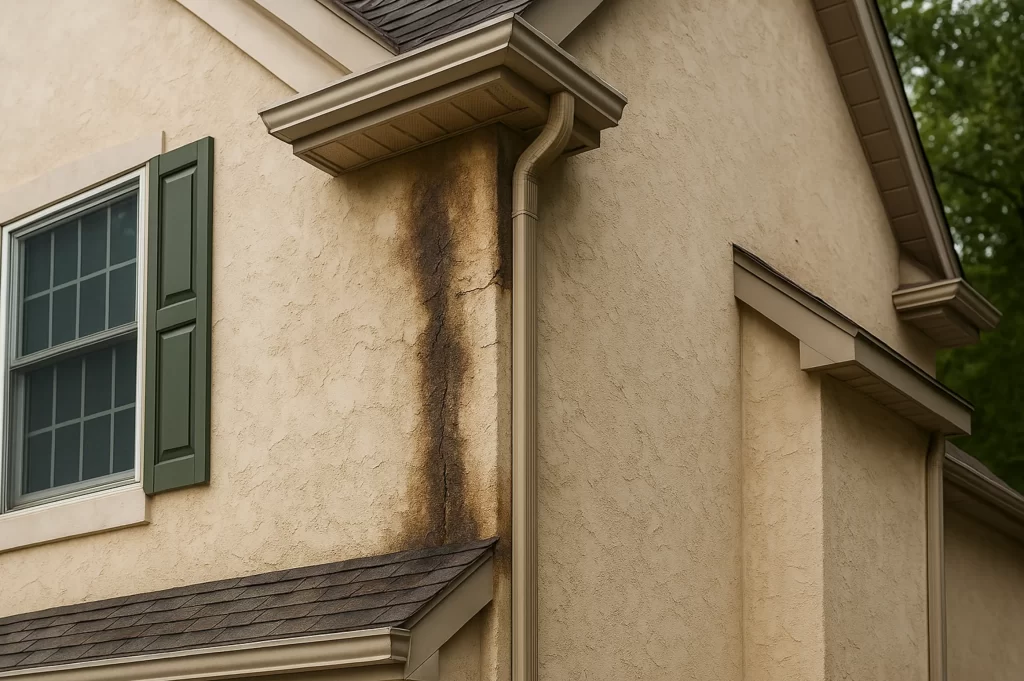
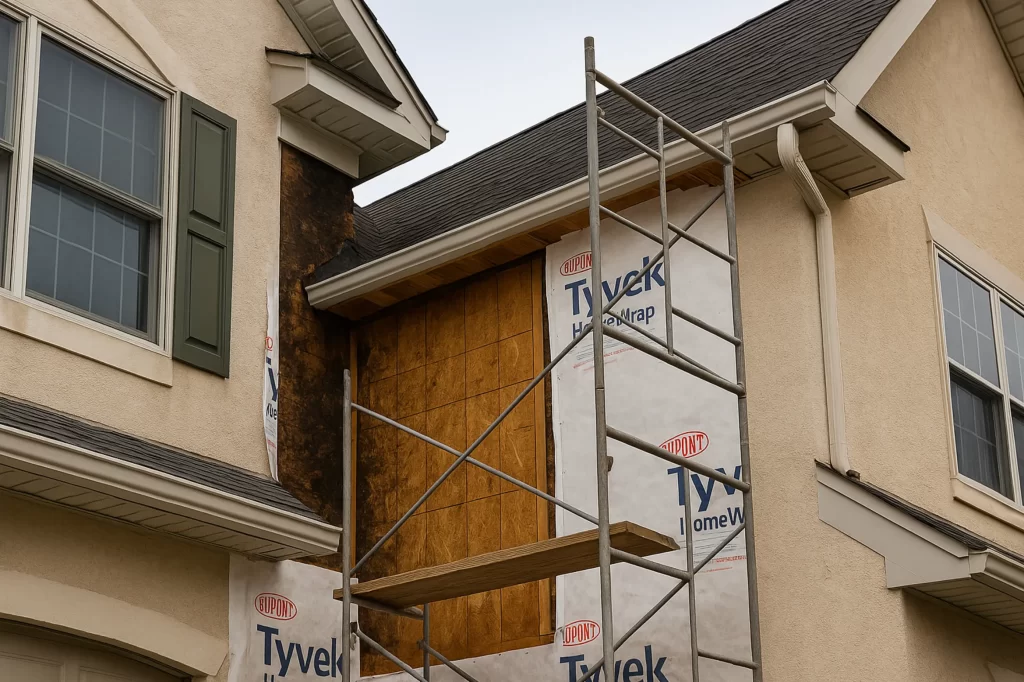
Over the last decade, thousands of homes built between the 1980s and early 2000s in Southeastern PA and South Jersey have been found to have improperly installed stucco systems. These homes often lack proper drainage planes, flashing, or weep screeds, which are essential for allowing moisture to escape. Instead, water gets trapped behind the walls, quietly causing rot, mold, and structural damage — often for years before any visible signs appear.

When sellers go under contract and the buyer’s inspector brings in a stucco testing firm or structural engineer, that’s often when the hidden nightmare is exposed.

The Risks of Waiting Until You List Your Home

Deals fall through: Buyers walk away or demand $50,000–$100,000+ in credits or remediation before settlement. Insurance doesn’t cover it: Stucco damage is usually classified as a construction defect, not a sudden incident. Health risks emerge: Mold buildup, especially black mold, can pose serious respiratory hazards — especially for children or seniors. Reputation damage: A failed inspection becomes part of a home’s history, making it harder to sell in the future even after repairs.
How to Be Proactive Instead

Being proactive can save money, time, and major headaches. Here’s how:

  • Schedule a non-invasive stucco inspection: Infrared and moisture meter testing can detect problem areas behind the surface.
  • Have a structural engineer assess damage: If rot or framing issues are suspected, an engineer can provide a professional report to guide proper remediation.
  • Get remediation estimates on your own timeline: This puts you in control of contractor selection and pricing — not the buyer.
  • Correct issues before market exposure: A clean, recent inspection report can actually increase buyer confidence and home value.
Who Should Take Action Now?

  • Homeowners planning to sell in the next 1–3 years
  • Owners of stucco homes built between 1985 and 2005
  • Anyone seeing hairline cracks, staining, or bubbling in exterior stucco
  • Those experiencing musty odors or unexplained indoor humidity
Let Structural Professionals Help
At Structure Professionals, we’ve helped hundreds of local homeowners and realtors identify, diagnose, and plan for stucco-related structural issues. Our team understands the building codes, weather conditions, and construction quirks unique to this region — and we work quickly and clearly to give you peace of mind.
Don’t wait until a home inspection kills your sale. Get ahead of the issue now — and protect your investment, your health, and your timeline.