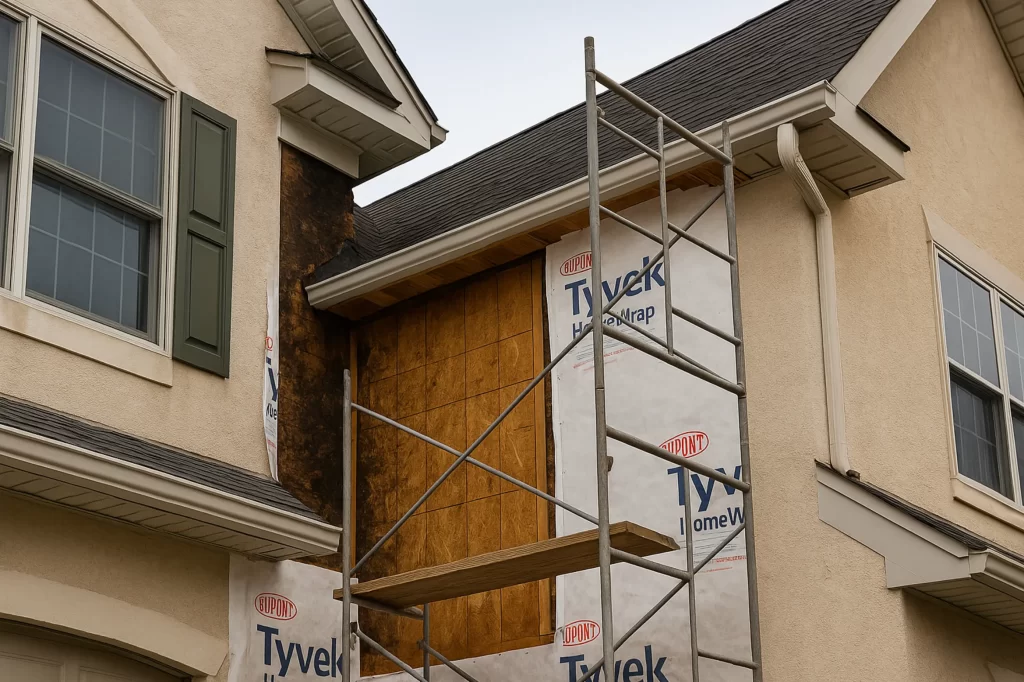
Is My House Structurally Safe? Signs of Structural Damage Homeowners Should Know

Quick Answer

Most homes develop small cracks or minor movement over time, and these are often normal signs of aging rather than structural failure. However, patterns such as large foundation cracks, significant floor slopes, bowing walls, or doors and windows that suddenly stop working properly may indicate structural movement that should be evaluated by a structural engineer.

Understanding How Homes Age Over Time

Every home changes as it ages. Foundations settle slightly, building materials expand and contract with seasonal temperature changes, and framing systems adjust to long-term loads.

These natural processes often produce small cosmetic symptoms such as hairline cracks in drywall or minor shifts in flooring. In many cases, these changes are completely normal and do not affect the structural safety of the home.

However, when structural movement becomes more pronounced or follows certain patterns, it may indicate that the building’s structural system is experiencing stress.

At Structure Professionals, structural evaluations often begin when homeowners notice changes in their home and want to understand whether those changes are normal or require further attention.

Common Signs of Structural Damage in a House

Homeowners sometimes notice structural symptoms while walking through their home, especially in older properties.

Some of the most common signs include:
  • large cracks in foundation walls
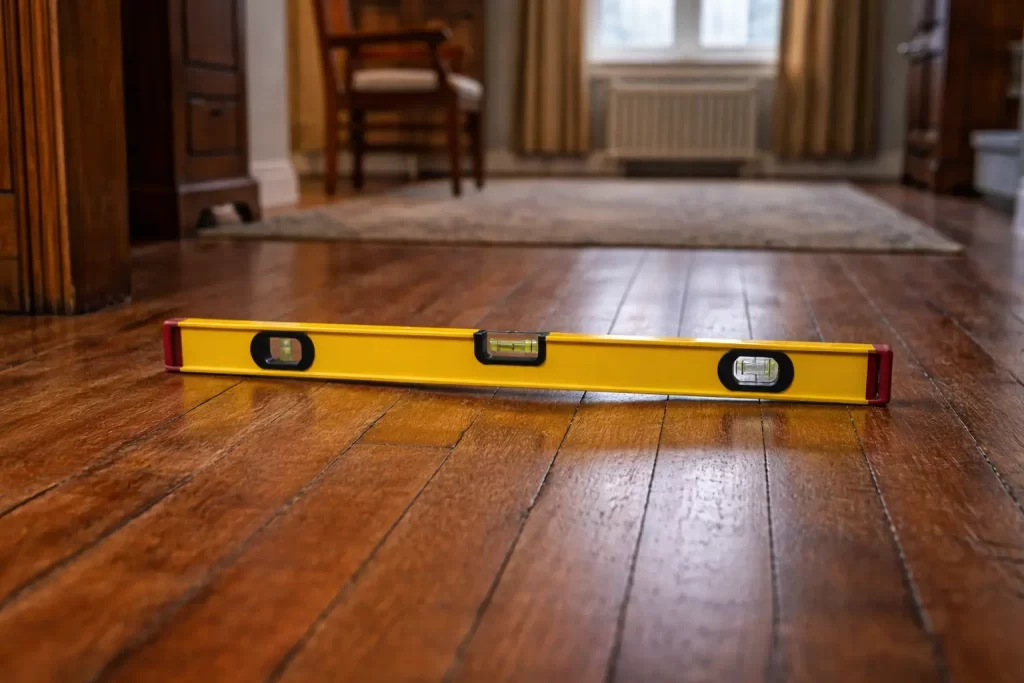
  • floors that slope or feel uneven
  • doors or windows that no longer close properly
  • cracks that extend across ceilings or walls
  • gaps appearing around window or door frames
  • basement walls that bow inward or lean outward
These symptoms do not always mean a home has structural damage. Many houses develop minor settlement cracks or small shifts that stabilize over time.

Structural engineers evaluate the pattern, size, and location of these symptoms to determine whether they reflect normal building movement or something more significant.

“Not every structural symptom means something is failing. Homes naturally settle and move over time. A structural engineer’s role is to determine whether what you’re seeing is normal building behavior or something that requires attention.”
Why Structural Symptoms Often Appear Gradually

Structural changes rarely occur overnight. In most cases, structural movement develops slowly over time as buildings respond to:
  • soil settlement beneath foundations
  • moisture changes in the ground
  • long-term loading of structural framing
  • seasonal expansion and contraction of materials
Because these changes occur gradually, homeowners may only notice them when symptoms reach a visible level.

For example, a door that once closed easily may begin sticking slightly as framing shifts. Similarly, a hairline drywall crack may widen slightly as a house settles.

Understanding these patterns is part of structural evaluation.

Many Structural Concerns Are Not Catastrophic

One of the most important things homeowners should understand is that not every crack or slope indicates structural failure.

Many homes throughout Bucks County, Montgomery County, Chester County, and Mercer County display minor structural symptoms that have stabilized over decades.

Structural engineers evaluate the entire structural system to determine whether movement is ongoing or whether the structure has already reached a stable condition.

At Structure Professionals, inspections frequently confirm that visible structural symptoms are part of normal building aging rather than serious structural problems.

“Homeowners often assume the worst when they notice cracks or movement in a home. In reality, many structural concerns turn out to be manageable once the building is evaluated in context. The goal of a structural inspection is to replace uncertainty with clear, practical information.”

When a Structural Evaluation May Be Helpful

Although many structural symptoms are harmless, certain situations may warrant further evaluation.


Homeowners may consider contacting a structural engineer if they notice:

  • cracks wider than approximately ¼ inch
  • rapidly growing cracks in walls or foundations
  • floors that noticeably slope across a room
  • walls that appear bowed or leaning
  • structural movement following renovations or wall removal
Structural engineers evaluate how loads move through the building and determine whether the structure is performing as intended.

Key Insight

“Most homes with visible cracks or minor structural symptoms are still structurally sound. The goal of structural evaluation is to understand the cause and determine whether the building is performing as intended.”

Structural Inspections Provide Clarity

Structural evaluations focus on understanding the building as a complete system.

During an inspection, engineers may review:
  • foundation walls and footings
  • floor framing and beams
  • roof framing and structural supports
  • visible signs of structural movement
By analyzing these elements together, engineers determine how the building carries weight and whether structural performance has changed over time.

At Structure Professionals, the goal of a structural inspection is to help homeowners understand what they are seeing and whether any action is necessary.

Frequently Asked Questions

Q: How can I tell if my house has structural problems?
A: Look for patterns such as large foundation cracks, significant floor slopes, or doors and windows that suddenly stop working properly. A structural engineer can determine whether these symptoms indicate structural movement.
Q: Are cracks in walls always a structural problem?
A: No. Many cracks occur as part of normal settlement or material shrinkage. Structural engineers evaluate crack size, location, and pattern to determine whether they are structural.
Q: Is it normal for older homes to have sloping floors?
A: Yes. Many older homes develop minor floor slopes as framing settles over time. Structural evaluation determines whether the movement is stable or ongoing.
Q: Should I worry if my foundation has cracks?
A: Most concrete foundations develop small cracks over time. Engineers evaluate whether cracks are typical settlement cracks or signs of structural movement.

Final Thoughts

Most homes show small signs of aging over time, and these changes rarely indicate structural danger. The key is understanding how the building performs as a whole rather than focusing on a single crack or symptom.

Structural engineering provides the context needed to determine whether structural conditions represent normal aging or something that requires attention.

At Structure Professionals, structural evaluations help homeowners gain clear insight into their building so they can make informed decisions with confidence.

Why You Shouldn’t Wait Until You Sell to Discover Stucco Damage or Hidden Mold

Philadelphia-Area Structural Insight & Homeowner Guidance
In the Greater Philadelphia region — especially in suburban communities like Newtown, Yardley, Doylestown, and the Main Line — stucco-clad homes are everywhere. They offer a clean, traditional aesthetic and, when properly installed and maintained, can last decades. However, a growing number of homeowners are discovering costly stucco damage and hidden mold only after listing their home for sale — often too late to avoid serious financial and health consequences.
Why This Is a Hot-Button Issue in the Philly Metro Area

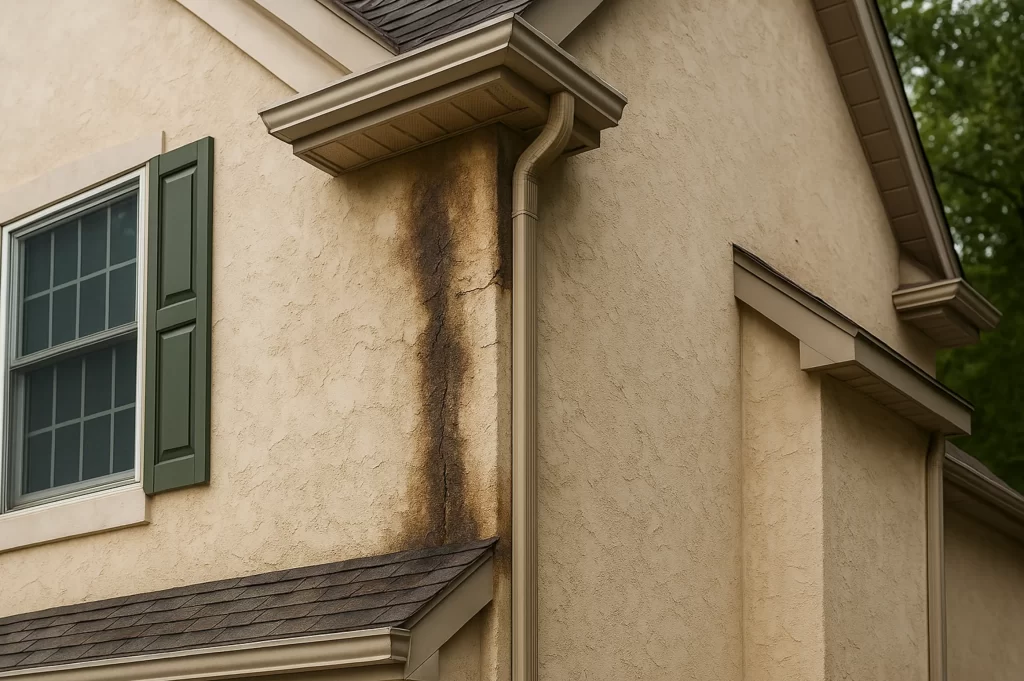
Over the last decade, thousands of homes built between the 1980s and early 2000s in Southeastern PA and South Jersey have been found to have improperly installed stucco systems. These homes often lack proper drainage planes, flashing, or weep screeds, which are essential for allowing moisture to escape. Instead, water gets trapped behind the walls, quietly causing rot, mold, and structural damage — often for years before any visible signs appear.

When sellers go under contract and the buyer’s inspector brings in a stucco testing firm or structural engineer, that’s often when the hidden nightmare is exposed.

The Risks of Waiting Until You List Your Home

Deals fall through: Buyers walk away or demand $50,000–$100,000+ in credits or remediation before settlement. Insurance doesn’t cover it: Stucco damage is usually classified as a construction defect, not a sudden incident. Health risks emerge: Mold buildup, especially black mold, can pose serious respiratory hazards — especially for children or seniors. Reputation damage: A failed inspection becomes part of a home’s history, making it harder to sell in the future even after repairs.
How to Be Proactive Instead

Being proactive can save money, time, and major headaches. Here’s how:

  • Schedule a non-invasive stucco inspection: Infrared and moisture meter testing can detect problem areas behind the surface.
  • Have a structural engineer assess damage: If rot or framing issues are suspected, an engineer can provide a professional report to guide proper remediation.
  • Get remediation estimates on your own timeline: This puts you in control of contractor selection and pricing — not the buyer.
  • Correct issues before market exposure: A clean, recent inspection report can actually increase buyer confidence and home value.
Who Should Take Action Now?

  • Homeowners planning to sell in the next 1–3 years
  • Owners of stucco homes built between 1985 and 2005
  • Anyone seeing hairline cracks, staining, or bubbling in exterior stucco
  • Those experiencing musty odors or unexplained indoor humidity
Let Structural Professionals Help
At Structure Professionals, we’ve helped hundreds of local homeowners and realtors identify, diagnose, and plan for stucco-related structural issues. Our team understands the building codes, weather conditions, and construction quirks unique to this region — and we work quickly and clearly to give you peace of mind.
Don’t wait until a home inspection kills your sale. Get ahead of the issue now — and protect your investment, your health, and your timeline.